Work Together?
From a single product to a complete creative direction.
Every collaboration begins differently. Sometimes a company needs a new product. Sometimes it needs a new direction. My work has therefore never been limited to designing individual objects.
Over the years, I have also taken on broader creative roles — helping companies define how they should look, what they should make, how they should communicate and how their design identity should evolve over time. I have acted as Creative Director and creative advisor for companies including Johanson Design, NOON and Tingest, and have also had a broader strategic influence on the development and positioning of Aritco.
That work can include product strategy, collection development, visual direction, collaborations, exhibitions, fairs, communication, launches and the overall creative positioning of a brand.
Sometimes the assignment is to design one chair. Sometimes it is to help change how an entire company thinks about design.
What could this become?
Two ways to work together
01
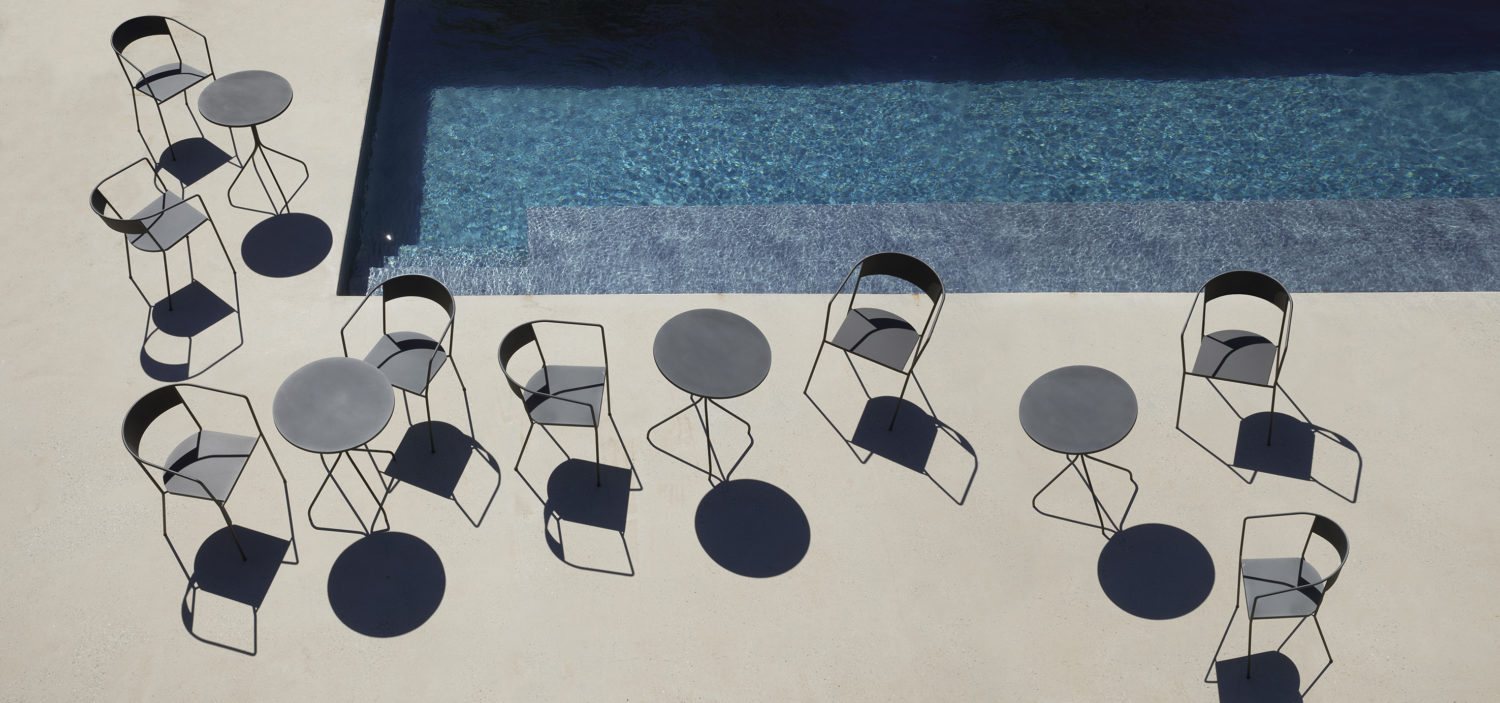
Product & design development
From the first brief to the finished product.
I work closely with companies through the complete development process — from the first strategic discussion through research, sketching, concept development, 3D modelling, refinement, presentations, prototypes, production and launch.
The aim is not simply to create a distinctive object. It is to create something that makes sense for the company, the market, production and the people who will use it.
A successful product must work creatively, technically and commercially. The strongest projects usually happen when all three are developed together.
02
Creative direction
From individual products to a coherent brand.
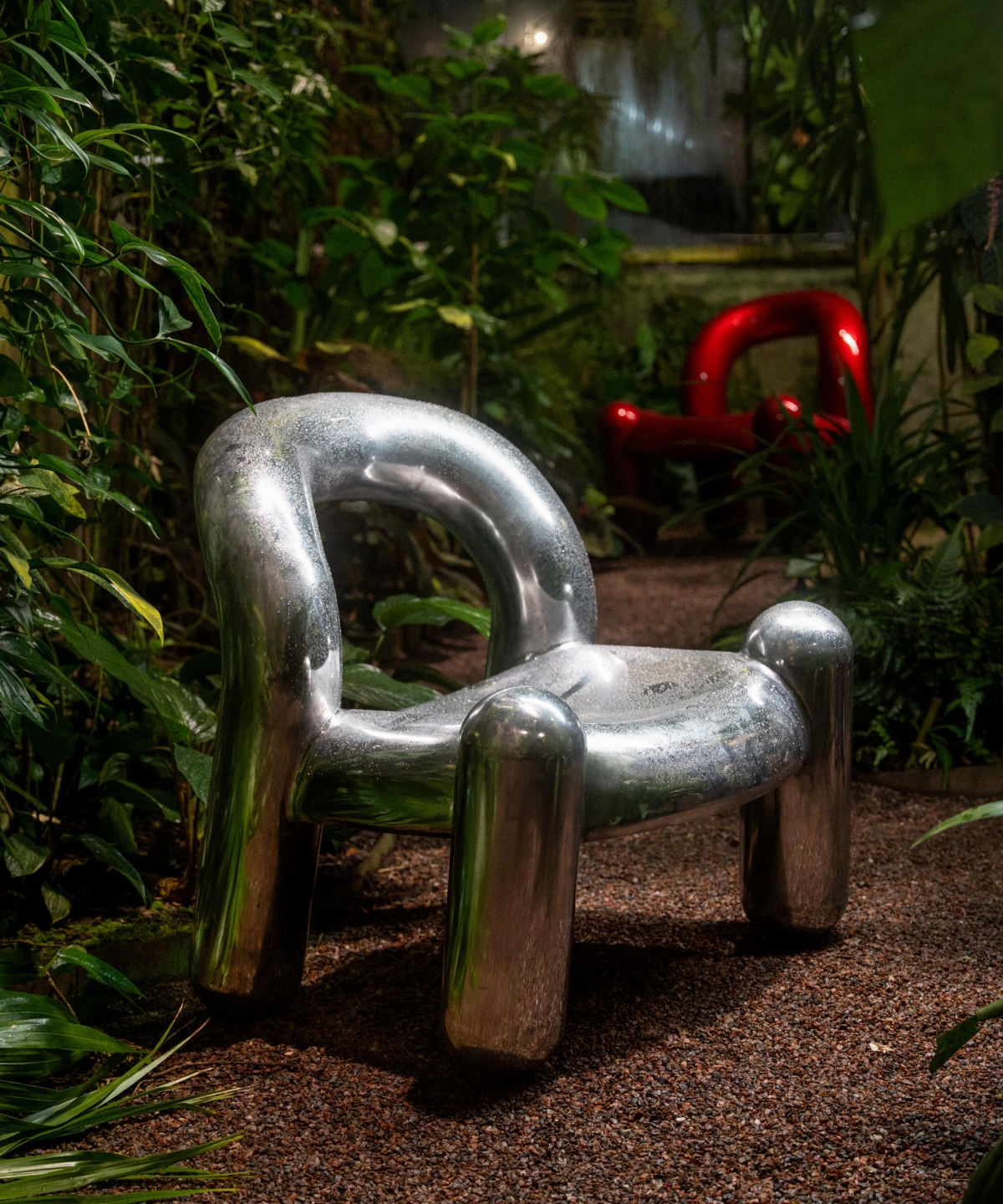
For selected companies, I also work on a broader level as Creative Director or creative advisor. In these collaborations, the focus moves beyond the design of a single product.
The work can involve helping a company understand what it should create, how its products should relate to each other, how it should present itself and where it should be creatively in the future.
01 / Product direction
What should the company develop next? Which product categories make sense? Where are the opportunities? And equally importantly — what should the company stop doing?
02 / Collection strategy
Individual products should not exist in isolation. I can help build a coherent portfolio where products strengthen each other and collectively create a recognisable identity.
03 / Design identity
A strong company should be recognisable without seeing its logo. The aim is to identify the materials, proportions, details, attitudes and principles that make the brand distinct.
04 / Creative collaborations
The right designers, artists, architects, photographers or external partners can dramatically strengthen a brand. Part of the creative direction can involve identifying and developing these collaborations.
05 / Exhibitions & fairs
How a company presents itself physically is part of its identity. This can involve exhibition concepts, fair strategy, installations, presentations and the overall visual experience around the brand.
06 / Launches & communication
A strong product deserves a strong introduction. Creative direction can also include how new products, collections and ideas are presented to the market, media and public.
07 / Long-term creative positioning
The most interesting question is often not where the company is today. It is where it should be in three, five or ten years. Creative direction can help build a consistent long-term trajectory rather than a series of isolated design decisions.
How the design process works
Every project is different, but the development process usually follows a clear structure. The process is collaborative, iterative and highly hands-on. Alexander remains involved throughout the development — from the first question to the final product.
01 — Brief
What are we really trying to achieve?
The first stage is about understanding the project beyond the written brief. What does the company want to achieve? Who is the product for? Where will it be sold? How will it be manufactured? What should distinguish it from everything that already exists?
Often, the most important part of the first conversation is identifying the question behind the question.
- Project definition
- Objectives
- Design parameters
- Timeline
- Production prerequisites
02 — Research
Before designing the future, understand what already exists.
The research phase looks at the market, competitors, cultural references, materials, production technologies and behavioural patterns. But it also looks beyond the immediate product category. Some of the strongest ideas come from connecting things that normally have very little to do with each other.
Research is therefore not about finding something to imitate. It is about finding the territory where something new can exist.
03 — Sketching
The fastest way to think is still with the hand.
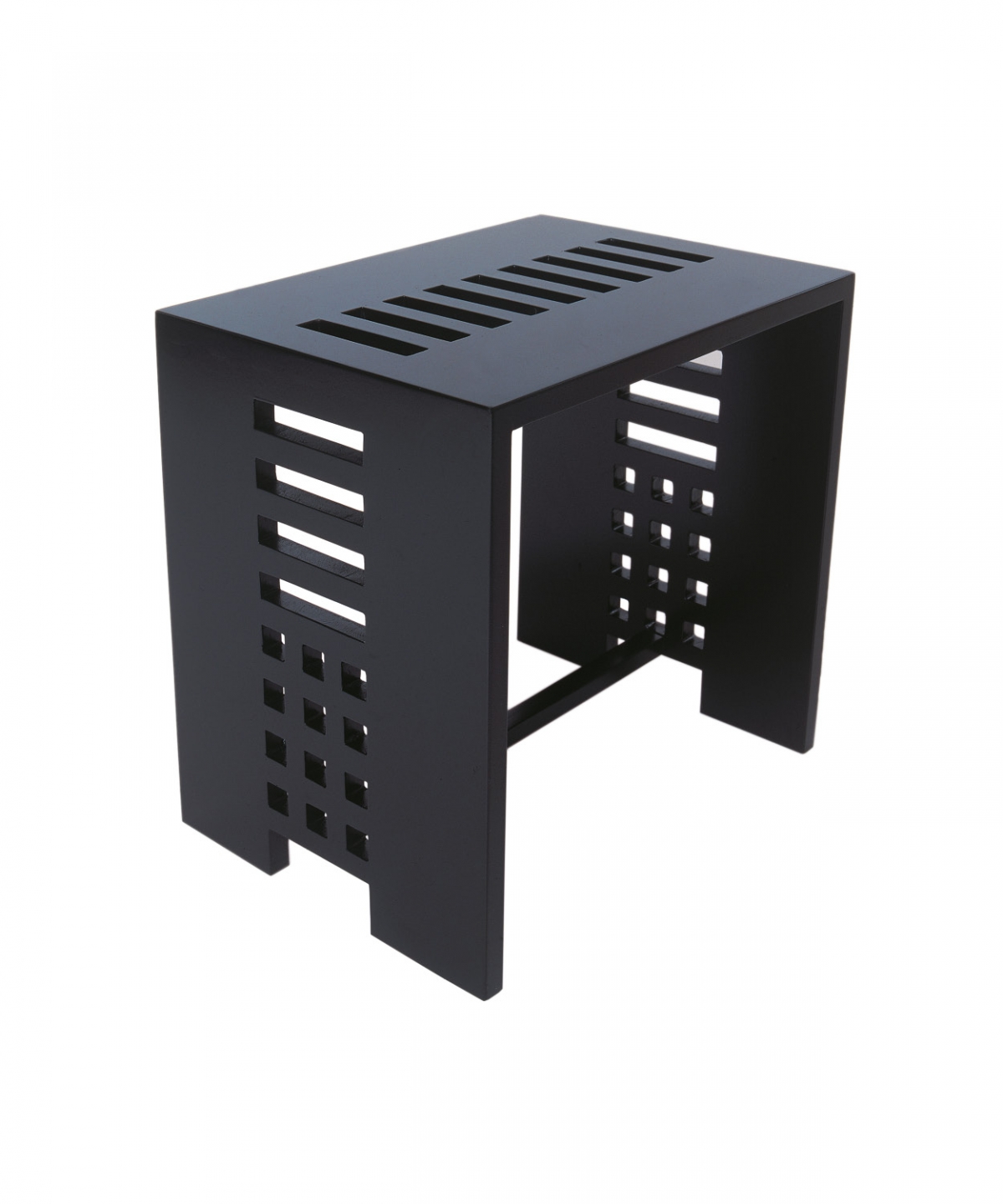
The first ideas are deliberately loose. Dozens of directions may be explored before a few begin to show real potential. Sketching allows proportions, functions, constructions and unexpected ideas to be tested quickly without becoming emotionally attached to a single solution too early.
At this stage, quantity matters. The aim is to discover the idea worth developing.
04 — Concept
An idea becomes a product.
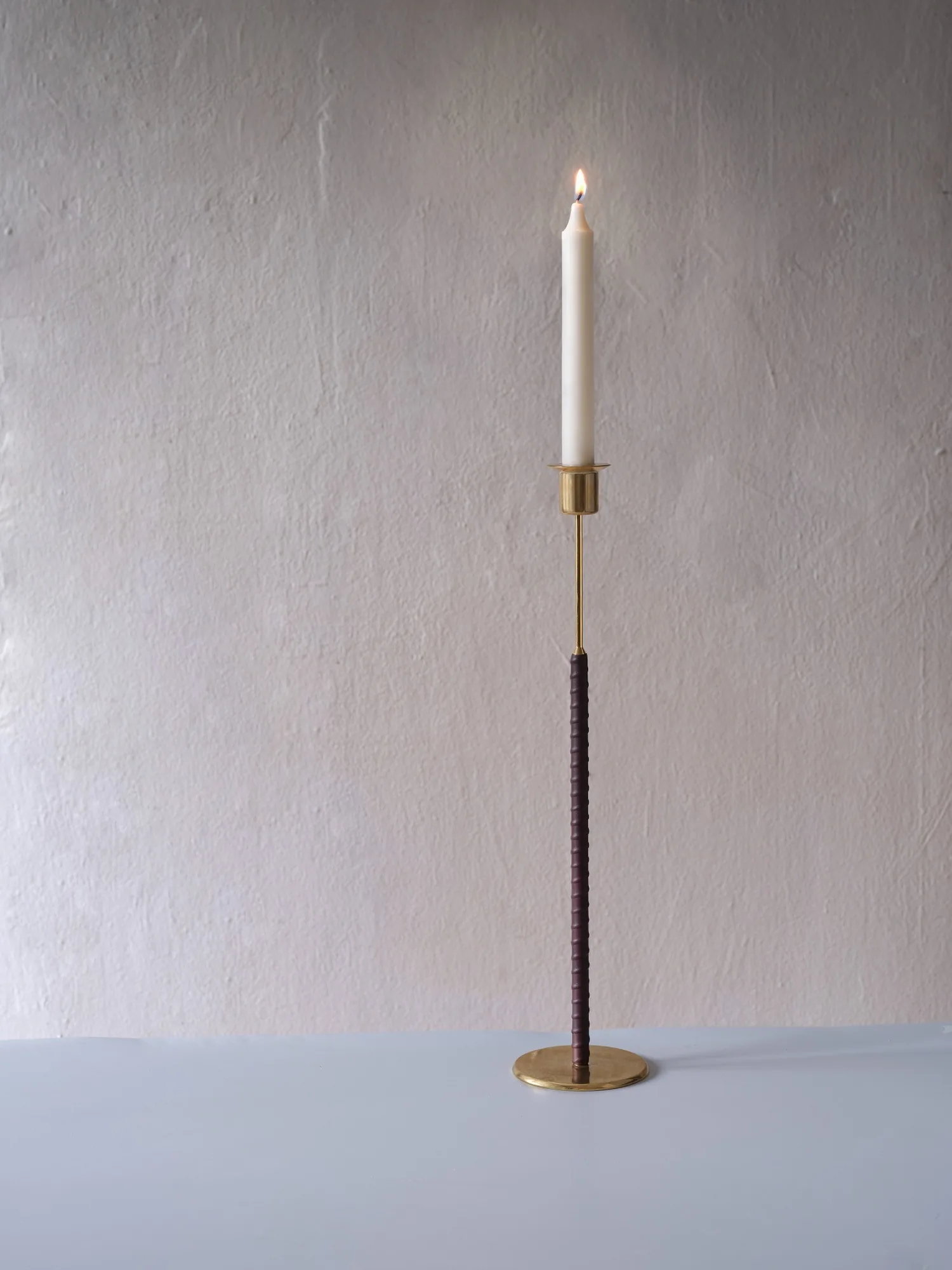
The strongest directions are selected and developed into clear design concepts. This is where form, function, construction, materials and identity begin to come together. The project moves from possibilities to decisions.
Usually several concepts are explored and presented before one direction is selected for further development.
05 — 3D development
Turning an idea into something that can exist.
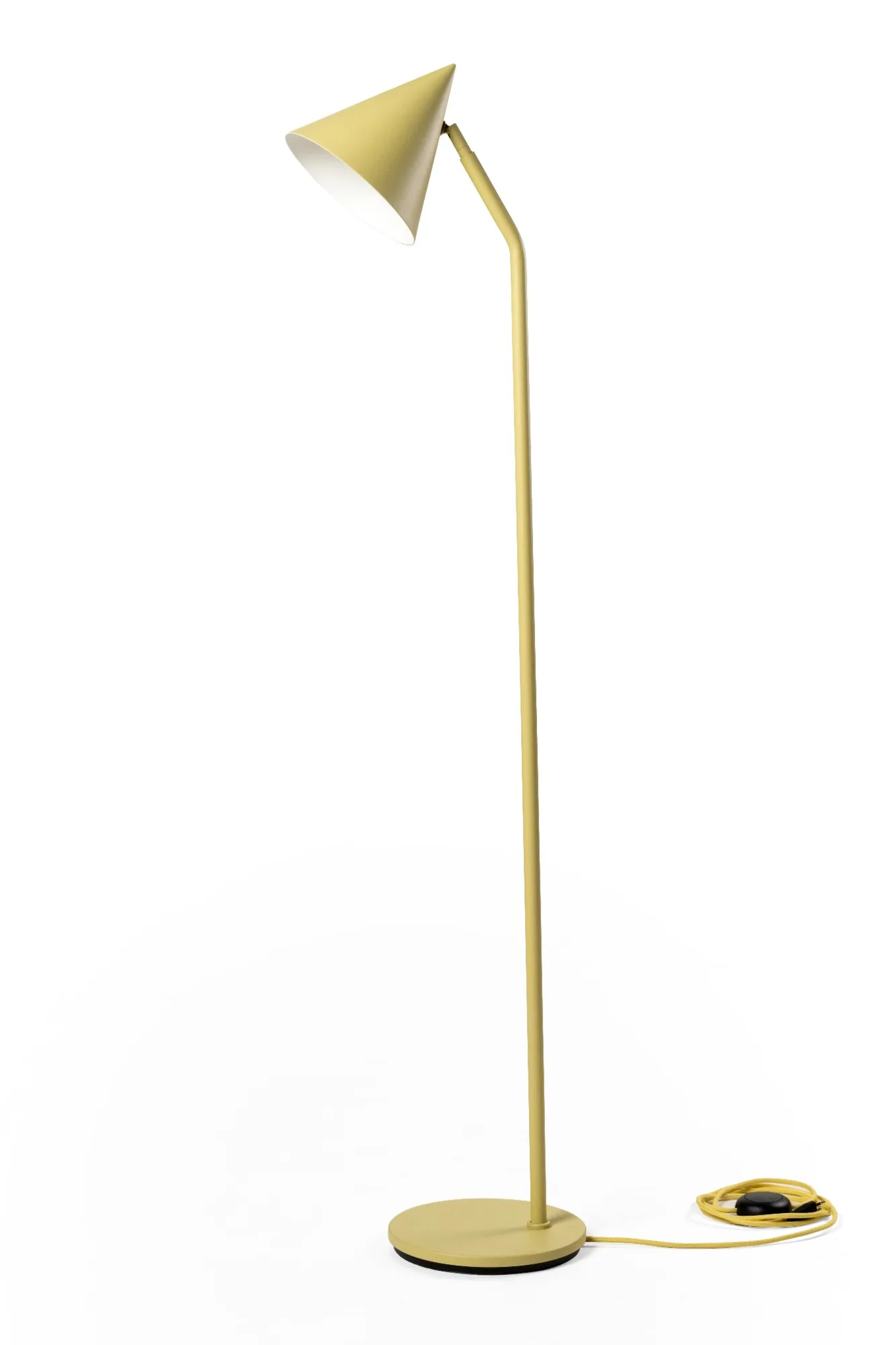
The selected concept is developed through 3D modelling. Proportions are refined. Connections are resolved. Materials and manufacturing techniques are tested. Details that appeared simple in a sketch are examined from every angle.
The product begins to move from an idea into an industrial object.
06 — Refinement
Good design rarely arrives in the first version.
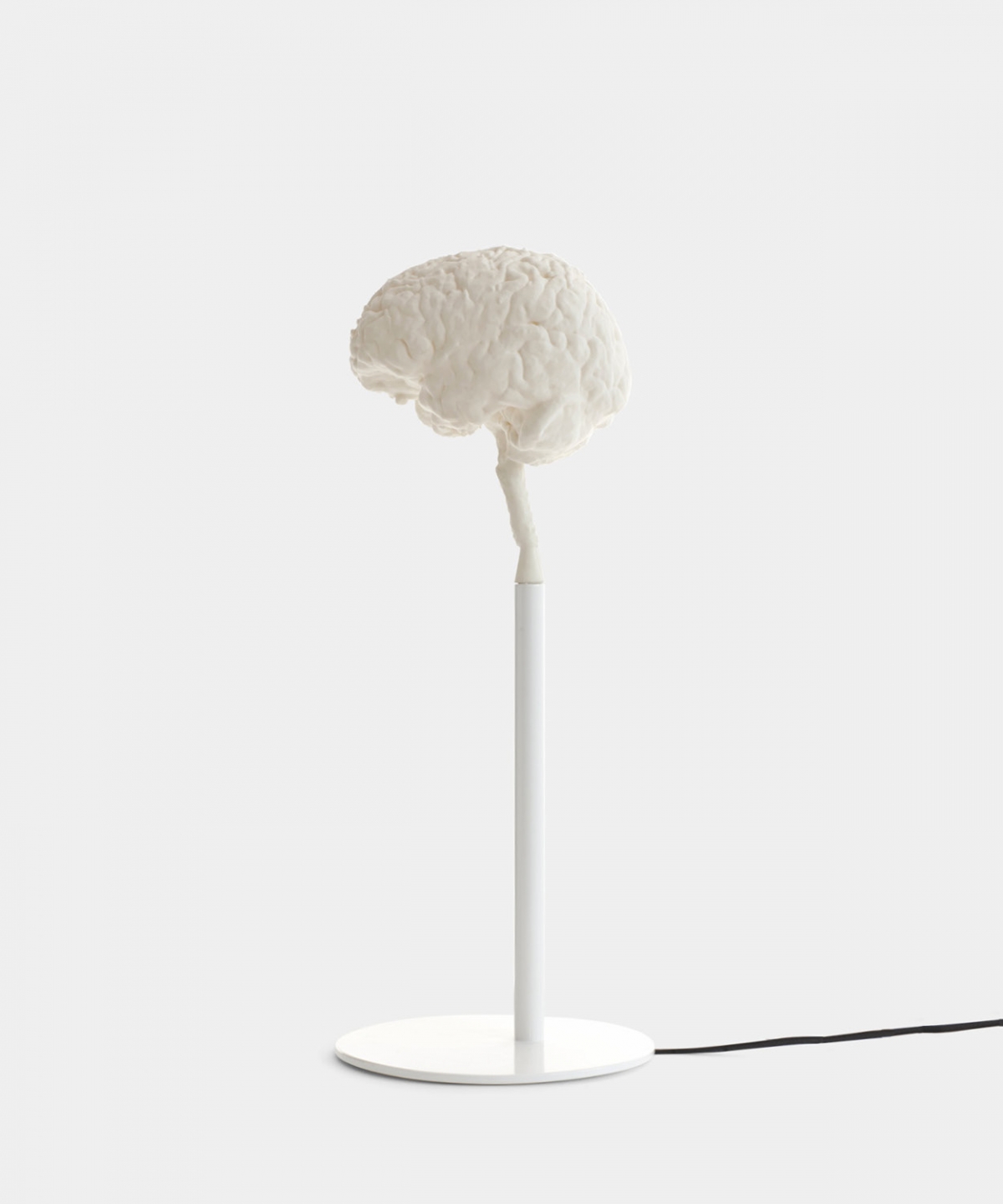
A typical project passes through five to six major stages of design refinement. Each stage makes the object more precise. Dimensions change. Details disappear. Connections become simpler. Comfort improves. Production becomes more efficient.
The goal is not to defend the original idea. The goal is to make the final product as strong as possible.
- Five to six major stages of design refinement
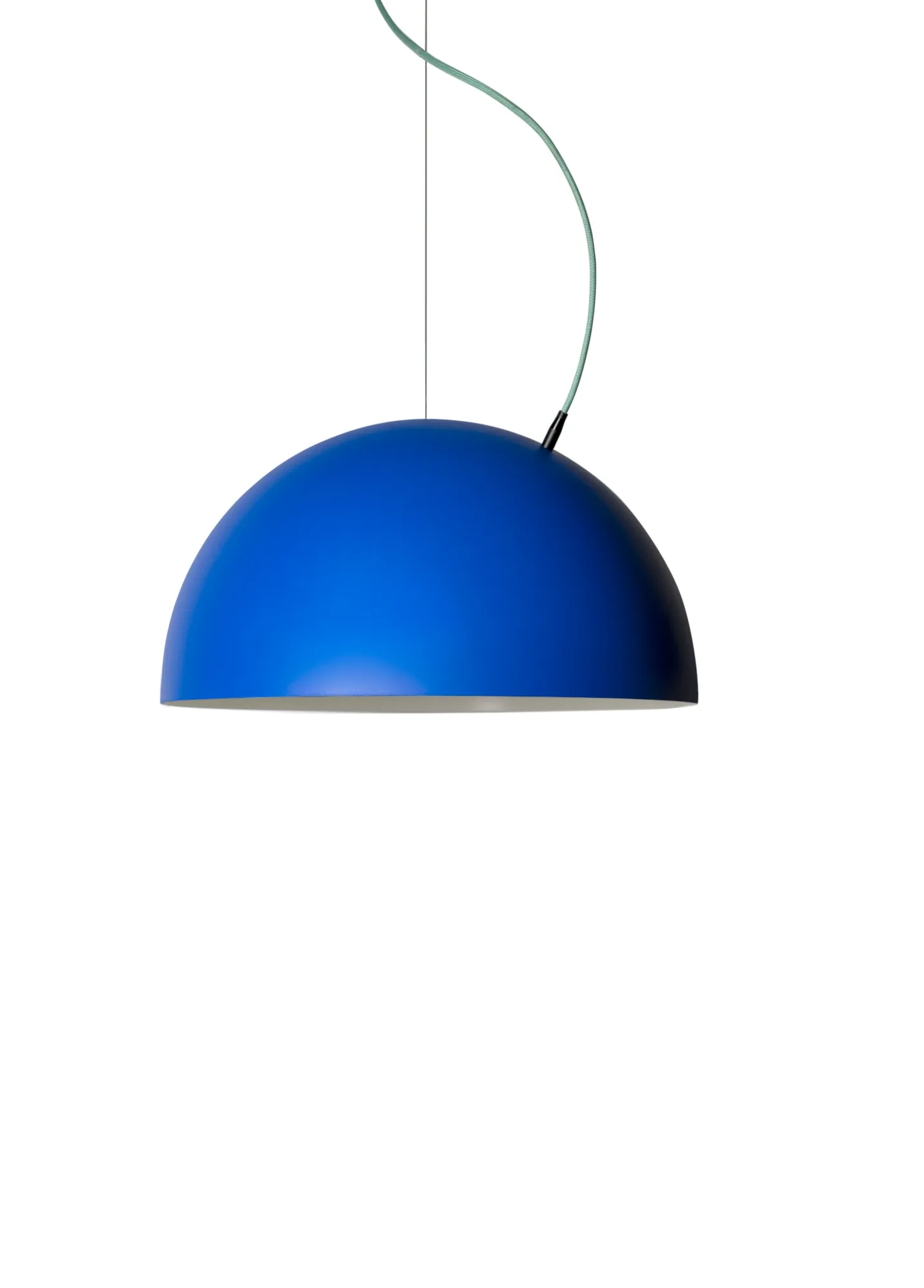
07 — Presentation
The design must be understood before it can be produced.
Once the direction has matured, the product is presented through drawings, visualisations, material studies and detailed design documentation. The presentation should make the concept understandable not only to the design team, but also to management, engineering, production, sales and marketing.
A successful product needs everyone to understand the same idea.
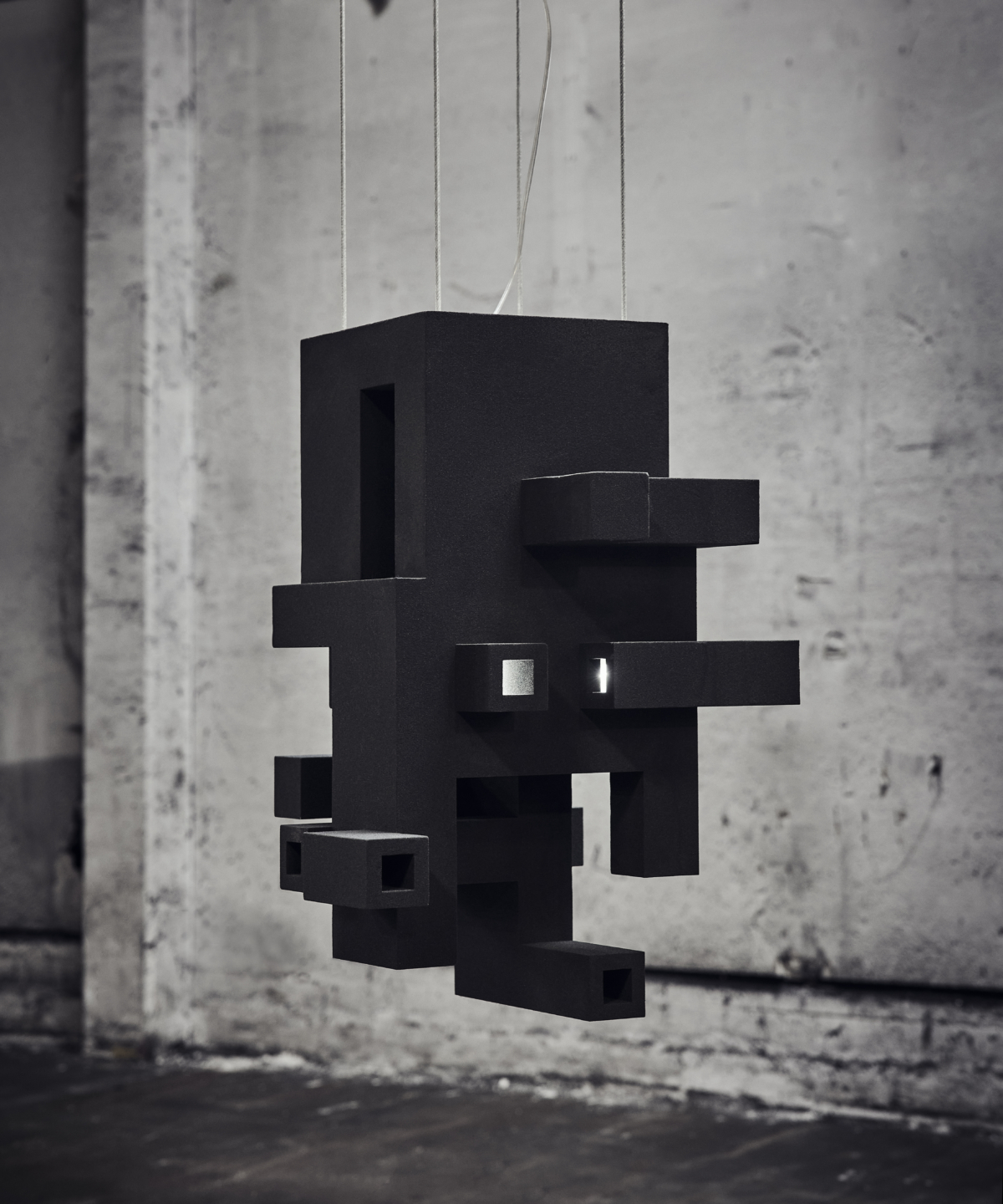
08 — Prototype
The moment the design meets reality.
A prototype changes everything. Suddenly scale becomes physical. Comfort can be tested. Materials behave differently than expected. Details that looked perfect on a screen may need to be reconsidered.
I remain involved throughout the prototype phase, working together with engineers, craftsmen and manufacturers to refine the design. This is often where some of the most important decisions are made.
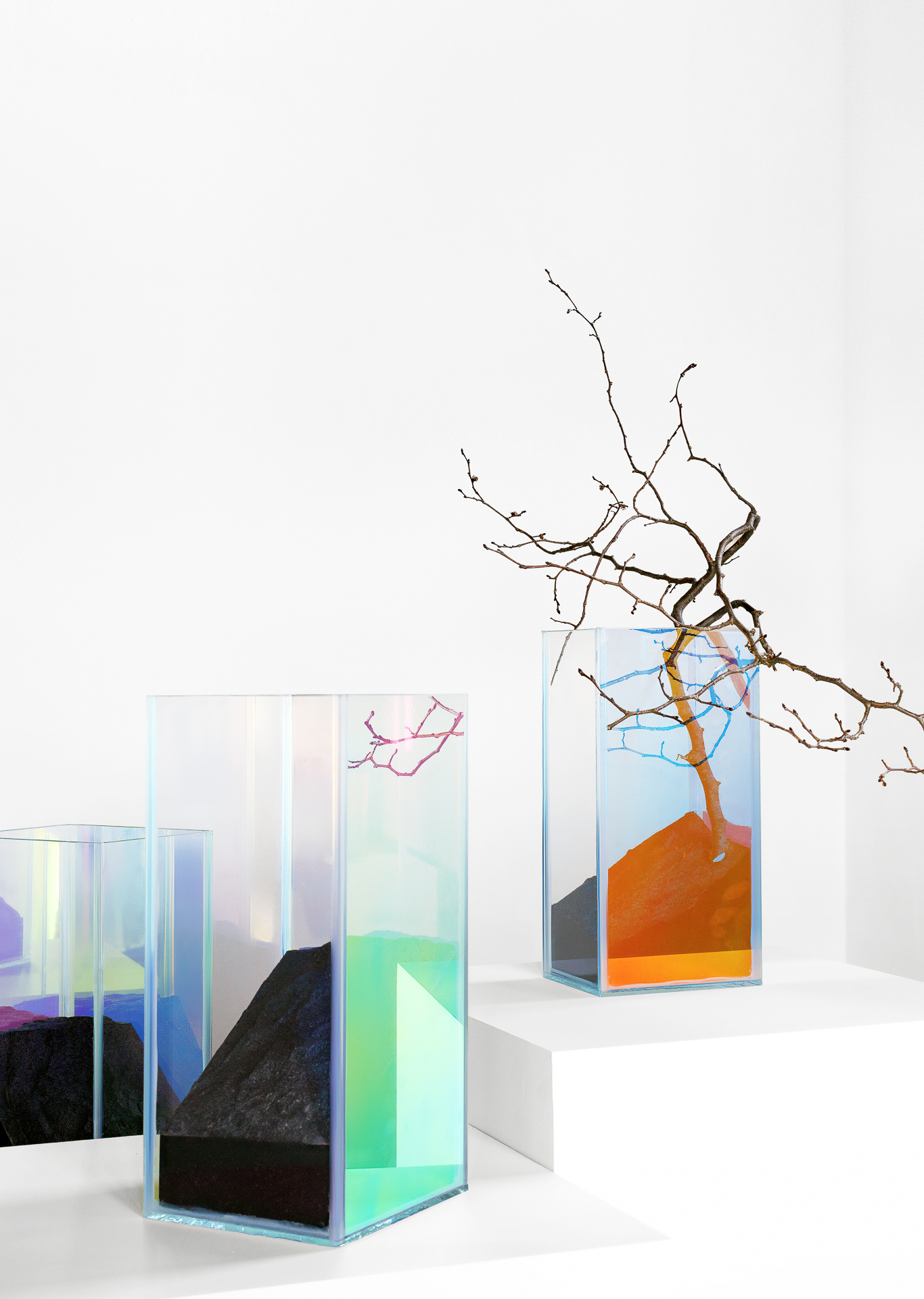
09 — Final product
Designed for production, not just presentation.
The final stage is about bringing every previous decision together. The product must retain the strength of the original idea while meeting the realities of production, cost, logistics, durability and everyday use.
The best result is when none of those compromises are visible. What remains should feel inevitable.
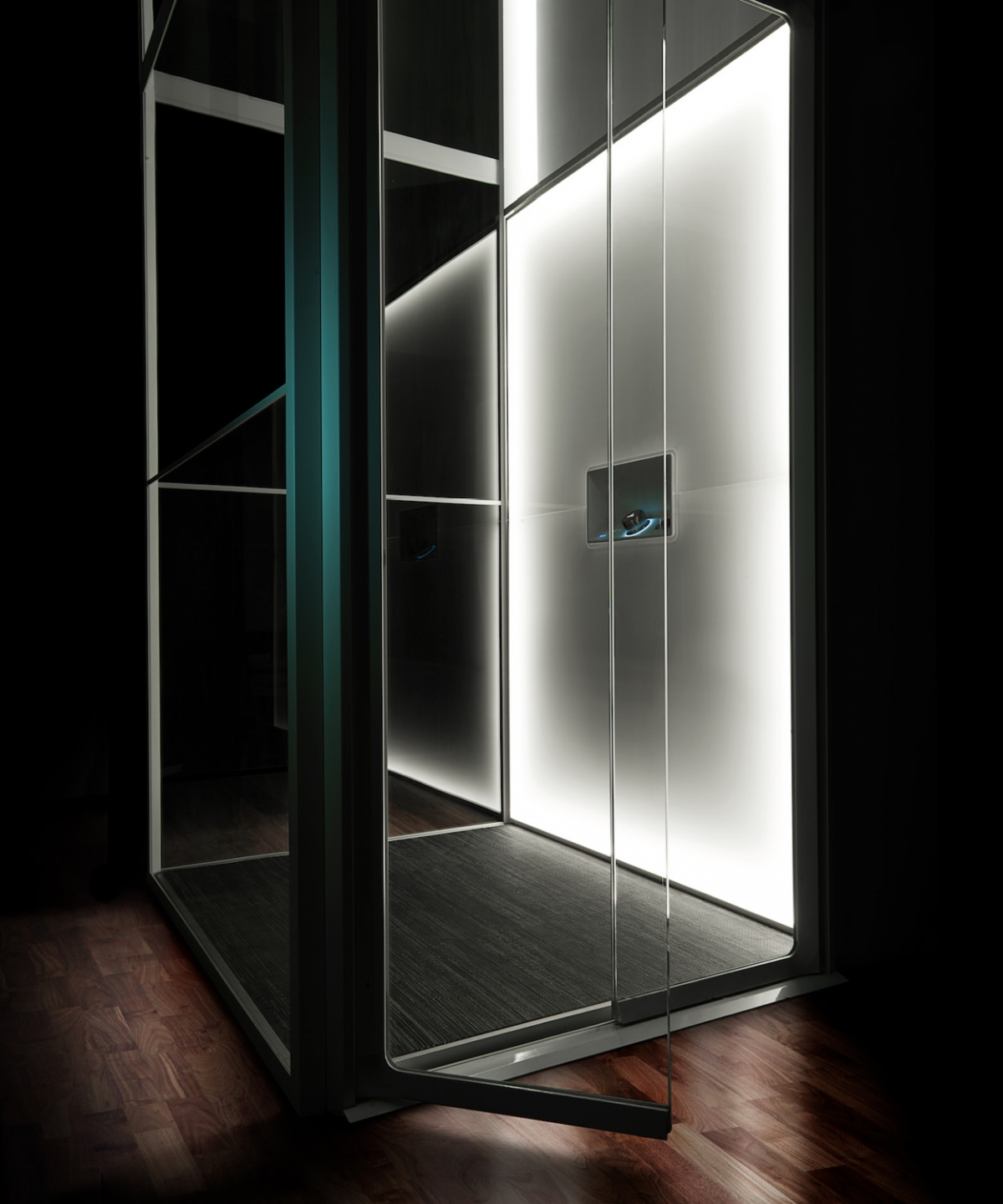
And then the story begins
Good design also needs a context, a voice and an audience.
When I collaborate with a company, my involvement does not necessarily end when the product is finished. I often take part in how the work is positioned, presented and introduced to the world.
Over the years, my projects have generated extensive media attention across international design, architecture, business and lifestyle publications. Media and journalists follow my work, and new collaborations often have a story that extends far beyond the product itself.
I actively support launches through interviews, presentations, exhibitions, fairs, press activity and creative storytelling.
PR is not a separate afterthought. It is part of how a strong idea reaches the world.
Selected collaborations
- Johanson Design
- NOON
- Tingest
- Aritco
- Design House Stockholm
- ADEA
- ASSA ABLOY
- Drömtrappor
Different companies. Different challenges. The same ambition to create something with a clear identity.
Have a project in mind?
Let’s talk.
You don’t need a finished brief. A project can begin with a product, a problem, a technology, a material — or simply an ambition to create something that does not yet exist.
Tell me a little about what you are working on.