
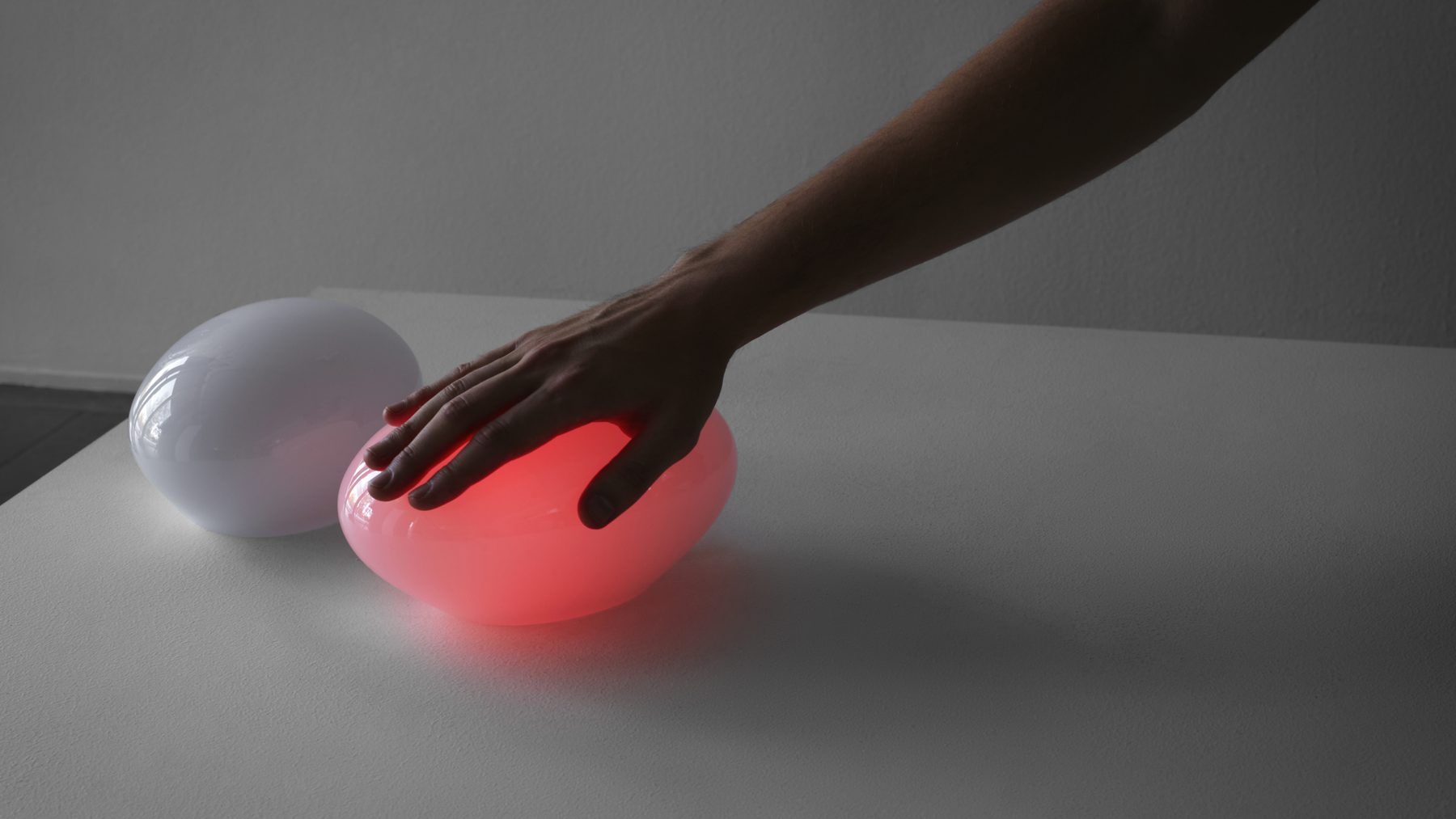
 Lervik Design / 2019
02 / Selected Work
Eighteen Defining Works
From a luminous door handle to sculptural lighting, furniture and architecture: eighteen works that trace Alexander Lervik’s ongoing exploration of how design can change the way we see, use and understand everyday objects.
Lervik Design / 2019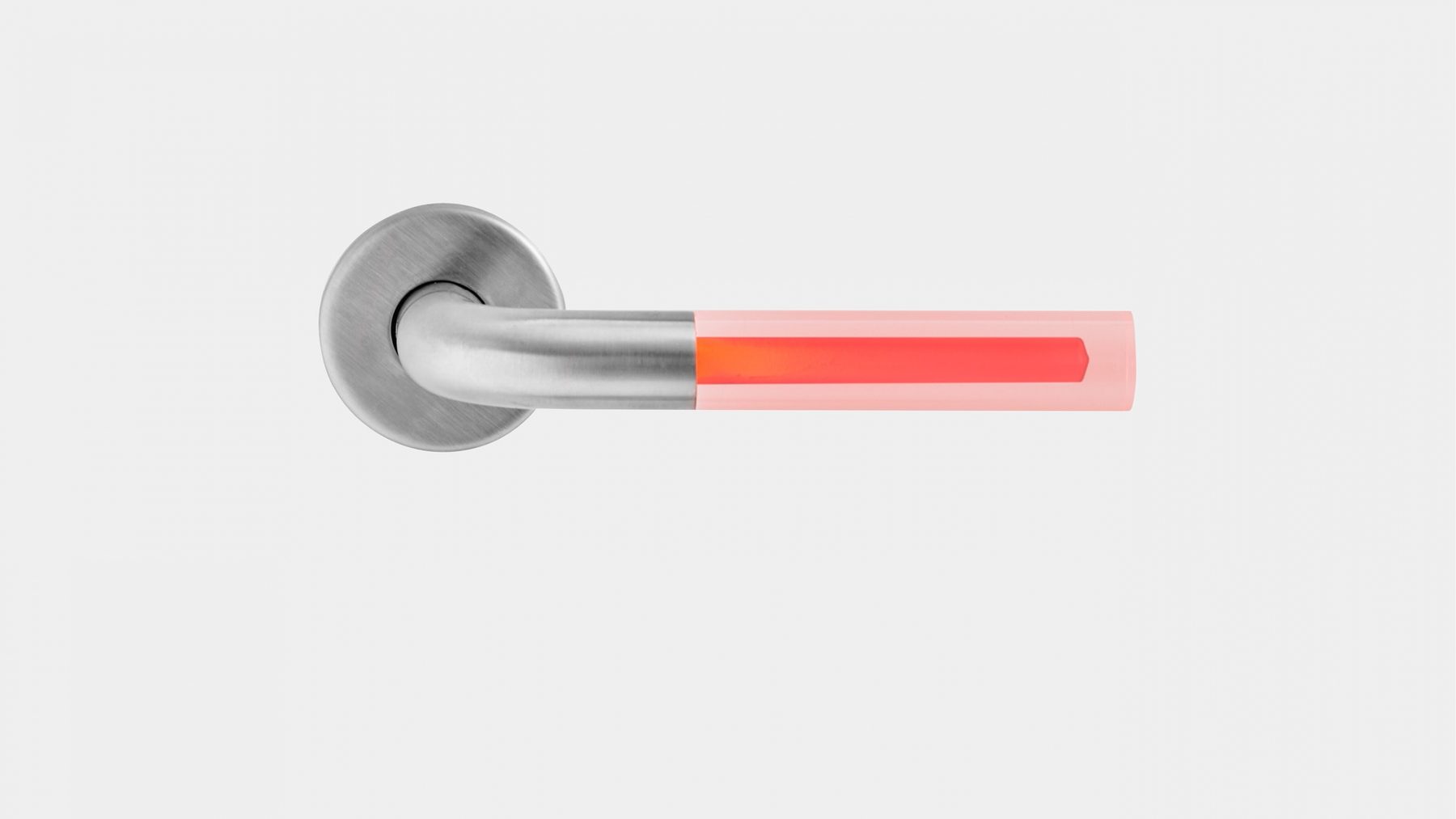 ASSA ABLOY / 2000
Bright Handle
A door handle that learned to communicate.Bright Handle began with a simple but radical question: what if a door handle could speak through light?By integrating coloured light into one of architecture’s most anonymous objects, the handle became more than hardware. It became a signal, an interface and a carrier of identity.When Bright Handle was presented in Milan, the response was immediate. Nearly a thousand people from 43 countries expressed interest in the product. Since then, it has gone on to become the most widely published door handle in the world, appearing in design and architecture media across the globe.Bright Handle is an early example of a recurring theme in Lervik’s work: technology is most interesting when it stops feeling like technology.An everyday object became something people suddenly noticed.Open in portfolio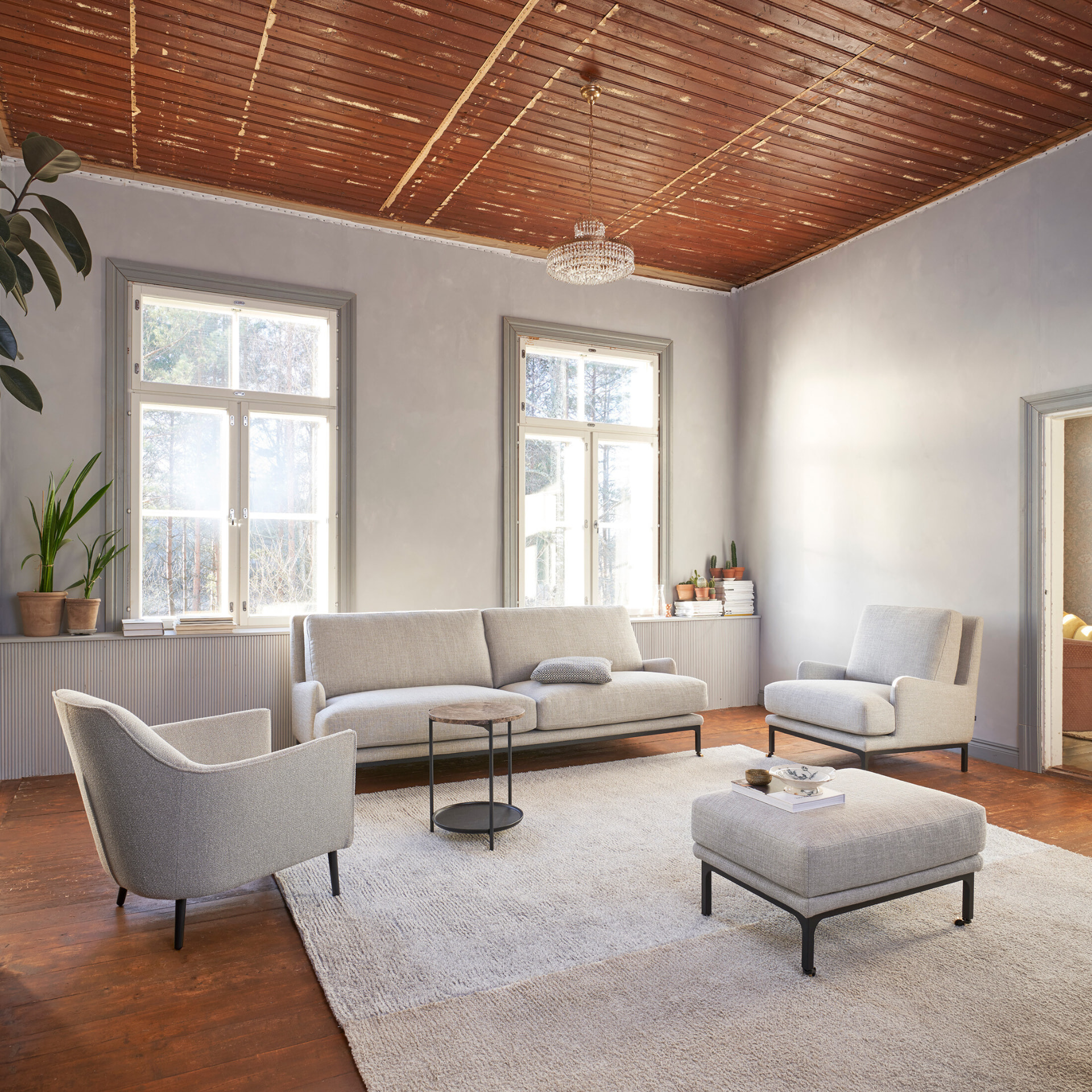 ADEA / 2016
Mr Jones
An English classic, redrawn for a Scandinavian interior.Mr Jones began with the traditional Howard sofa, one of the most enduring forms in upholstered furniture, celebrated for its generous comfort and unmistakably English character.Alexander Lervik’s ambition was to retain what made the archetype so appealing while removing its historical heaviness and translating it into a cleaner, more contemporary Scandinavian language.The goal was uncompromising: exceptional comfort.Together with ADEA, the sofa was refined down to the smallest details, from proportions and upholstery to the subtle construction decisions that determine how a sofa actually feels after hours of use.The name carries a personal reference too. Mr Jones is a nod to Lervik’s teenage idol, musician Howard Jones, creating a playful connection between the Howard sofa and the man behind the name.The result became a major success and received several awards, including Furniture of the Year at the ELLE Decoration Swedish Design Awards 2017.Mr Jones is rooted in tradition without ever feeling nostalgic. It shows how a familiar typology can be renewed when comfort, proportion and detail are reconsidered from the ground up.Open in portfolio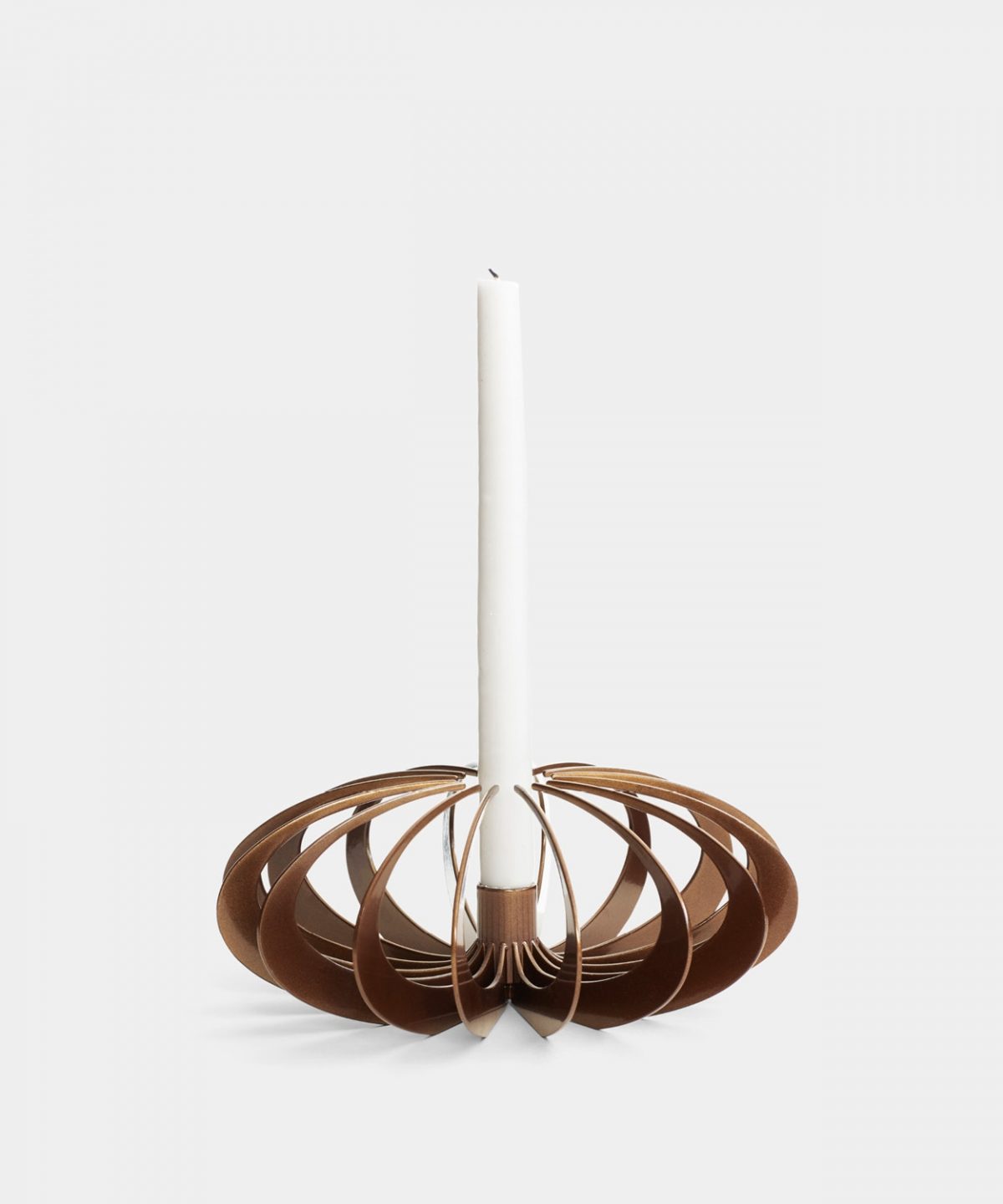 Gallery Pascale / 2004
Skugga
One candle. One star. A form that changes with time.Skugga is an object that only becomes complete when it is used.When the candle is lit, a distinct star appears in the surrounding shadow. As the flame moves downward, the star slowly expands, spreading further into the room.The lacquered, laser-cut steel structure is only half the work. The rest is created by flame, darkness and time.Skugga takes one of the oldest forms of domestic lighting and gives it a new role. The candle does not merely illuminate the room. It draws within it.Open in portfolio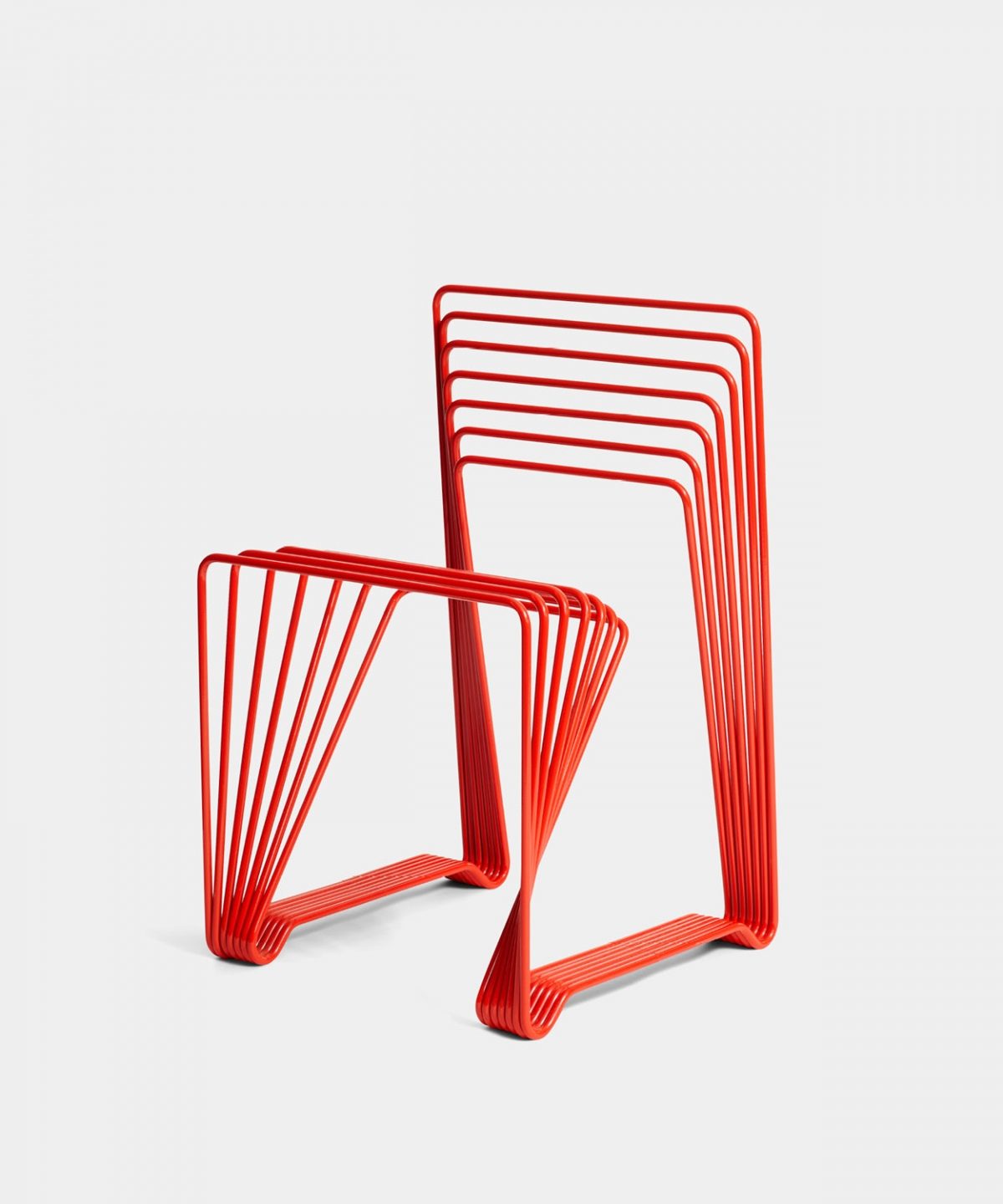 Gallery Pascale / 2005
Red Chair
Seven red lines. One chair.Red Chair is reduced almost to the limit of how little material is needed for us still to read an object as a chair.Seven lacquered steel rods form a three-dimensional drawing in space: part furniture, part sculpture, part graphic gesture.The chair was originally created for the exhibition Five Playful Chairs in 2005 and produced in a limited edition of ten. It has since entered the collections of both Nationalmuseum in Stockholm and the Röhsska Museum of Design and Craft in Gothenburg.Red Chair has also appeared in several international books documenting the defining design of the 21st century.Its strength lies in its immediacy. It is recognisably a chair, yet almost everything we normally associate with a chair has been removed.Open in portfolio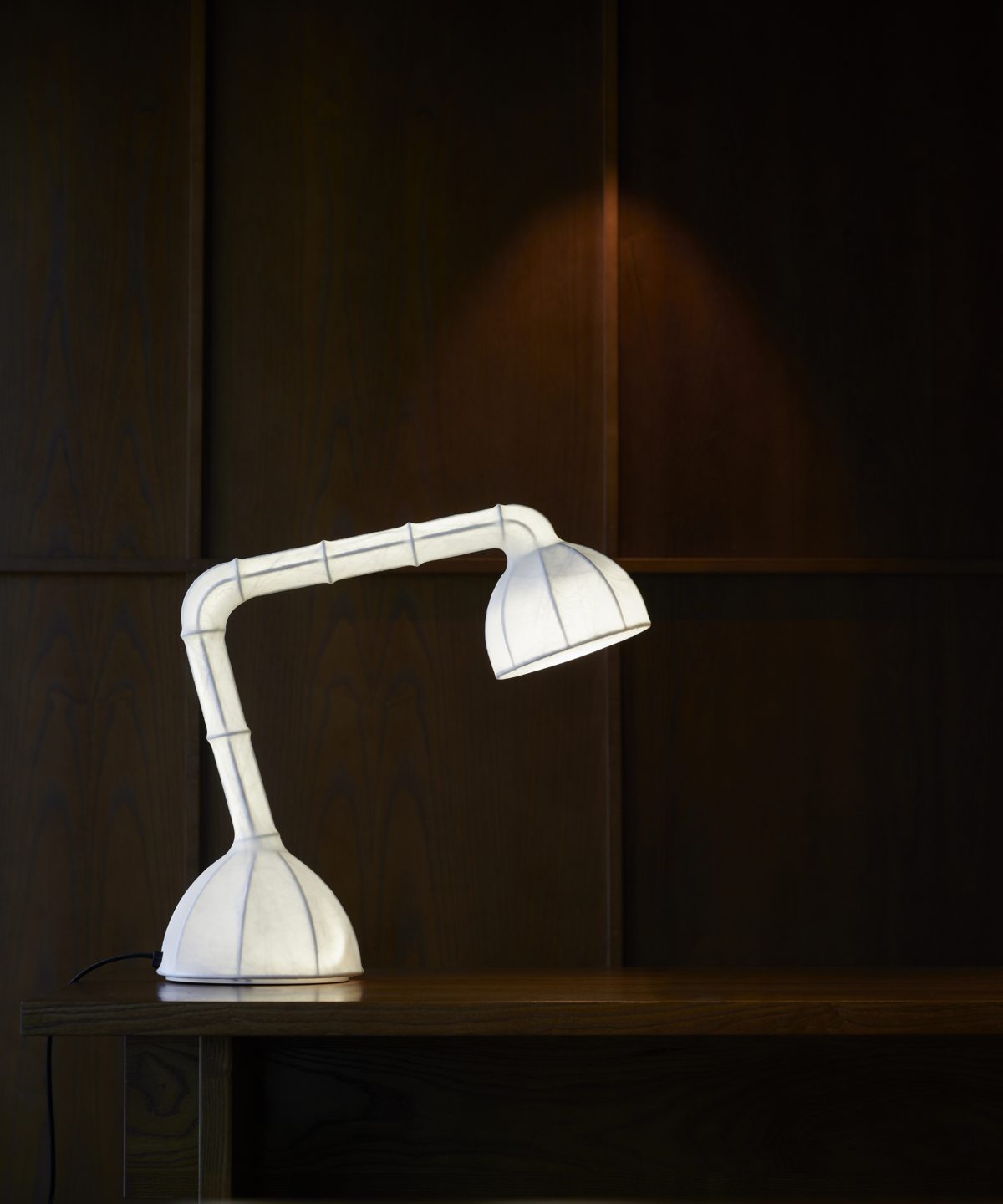 Noon / 2022
Ori Battery
More artwork than lamp.Ori begins with the idea of a lamp, but never quite behaves like a conventional one.Instead of metal, joints and visible mechanics, the form is made from paper. Its references move between the Anglepoise lamp of the 1930s and the paper lamps that became familiar in Scandinavian homes during the 1970s, yet the result belongs fully to neither tradition.Small LED sources illuminate the entire form from within, turning the object into a softly glowing presence.Lervik has described Ori more as a work of art than as an ordinary lamp. That distinction is important. Ori does more than provide light. It creates atmosphere and occupies the room almost like a figure.Something between an object, a sculpture and a creature emerging from the mist.Open in portfolio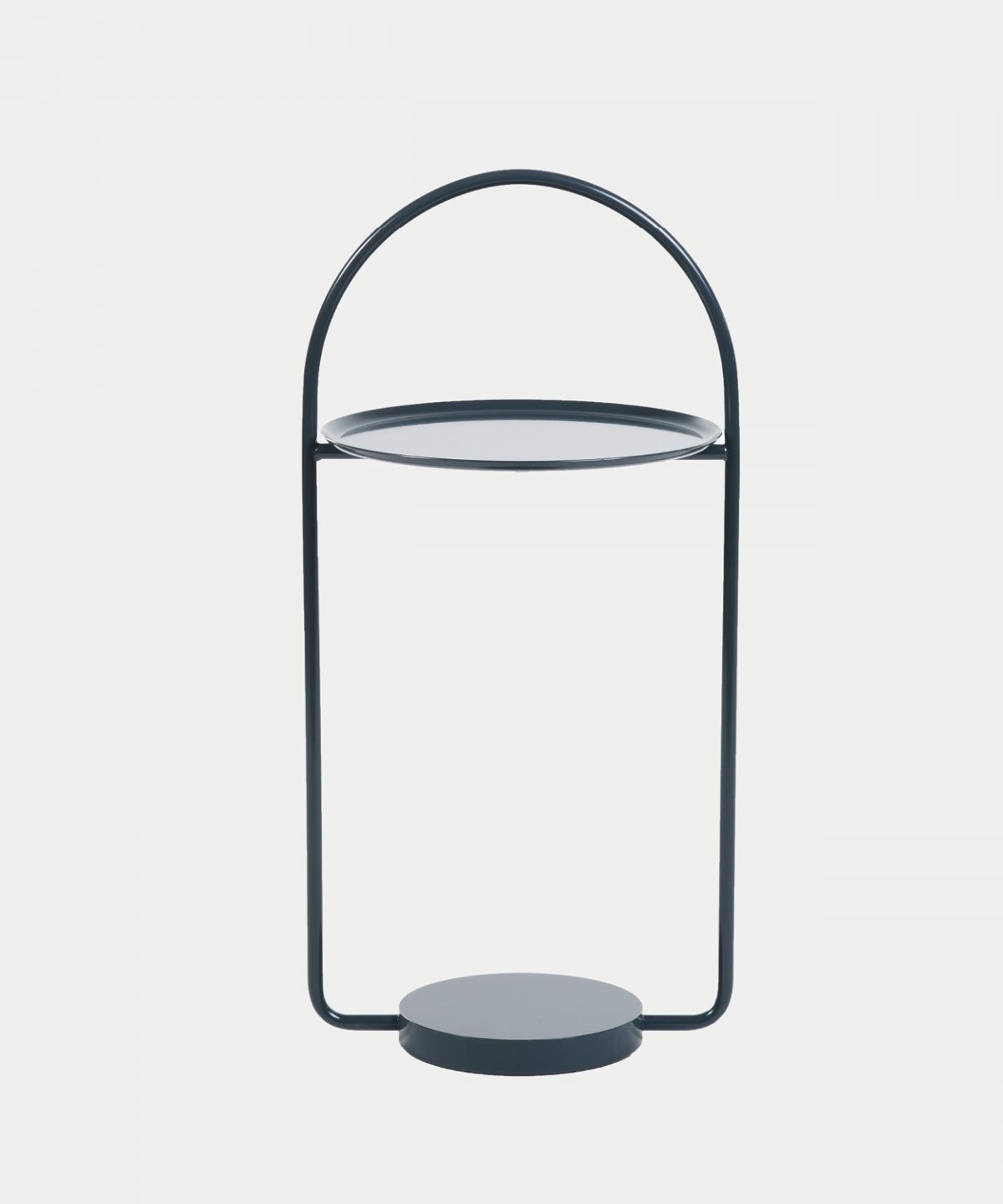 Johanson Design / 2016
Storm
A storm lantern became a table. A domestic problem became the construction.Storm grew out of a practical need in Alexander Lervik’s own home: a small occasional table that could be moved easily, but ideally disappear altogether when it was not needed.The solution was a folding construction that allows the tabletop to collapse and the table to be stored flat against a wall.Its shape was inspired by the traditional storm lantern, a robust and functional object designed to be there precisely when needed.Made in steel and available in an extensive range of RAL colours, Storm is both pragmatic and expressive.A piece of furniture born from necessity, yet with enough character never to feel merely functional.Open in portfolio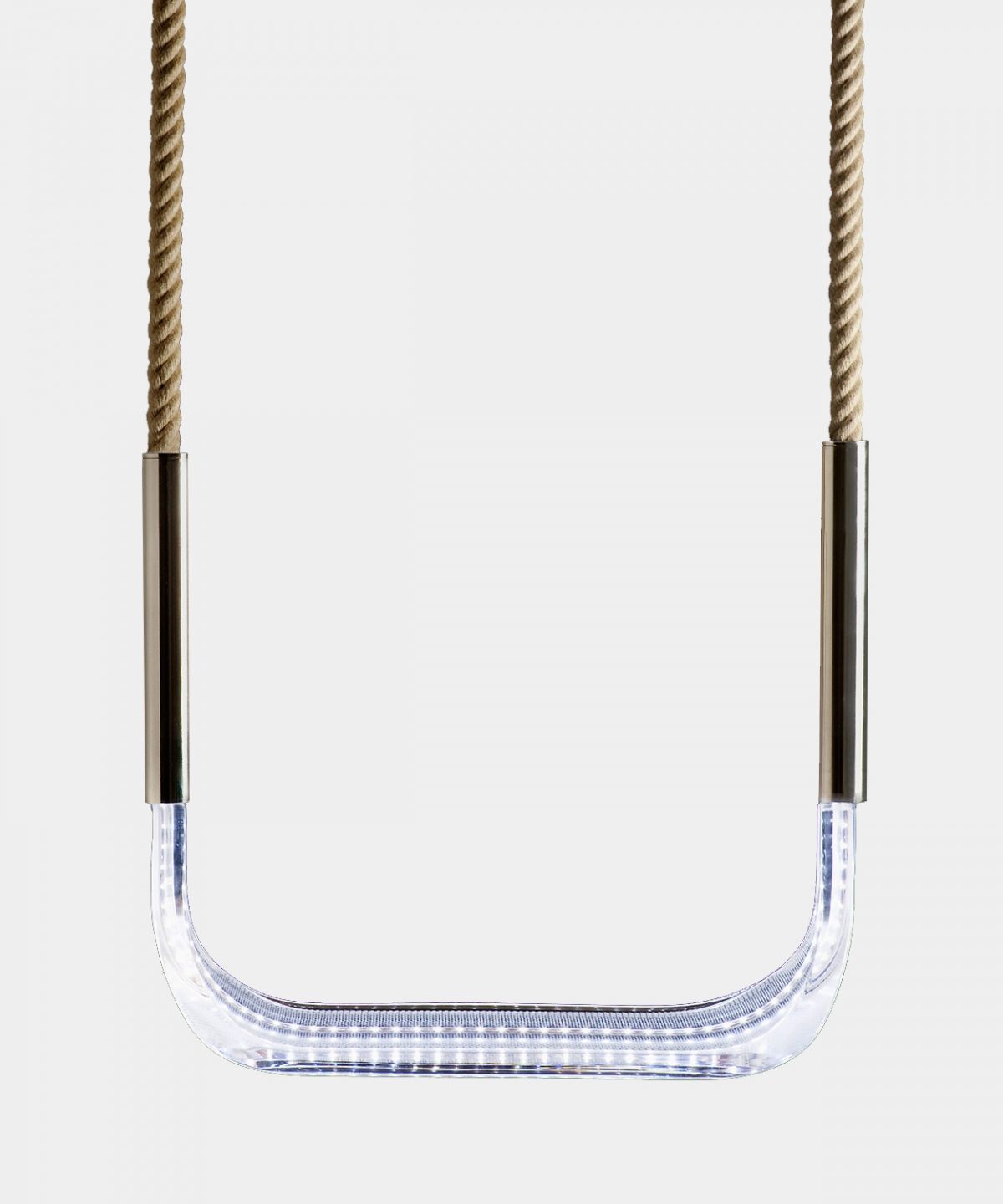 Saas Instruments / 2005
Light Swing
A swing that began travelling the world.Light Swing grew from one of the most universally recognisable images of childhood: the hanging swing.By turning the seat into a source of light, Lervik transformed a piece of playground equipment into a suspended artwork.Originally developed in connection with Five Playful Chairs, Light Swing occupies the territory between lighting, furniture and installation.What followed went far beyond the original exhibition. Over the years, Light Swing has received extensive international attention, appearing at world exhibitions, major light festivals and even in Louis Vuitton fashion shows.Its power lies partly in how quickly it can be understood. Everyone recognises the swing. Yet once it is removed from the playground and allowed to glow in space, the meaning changes completely.A memory of movement becomes light, scenography and architecture.Open in portfolio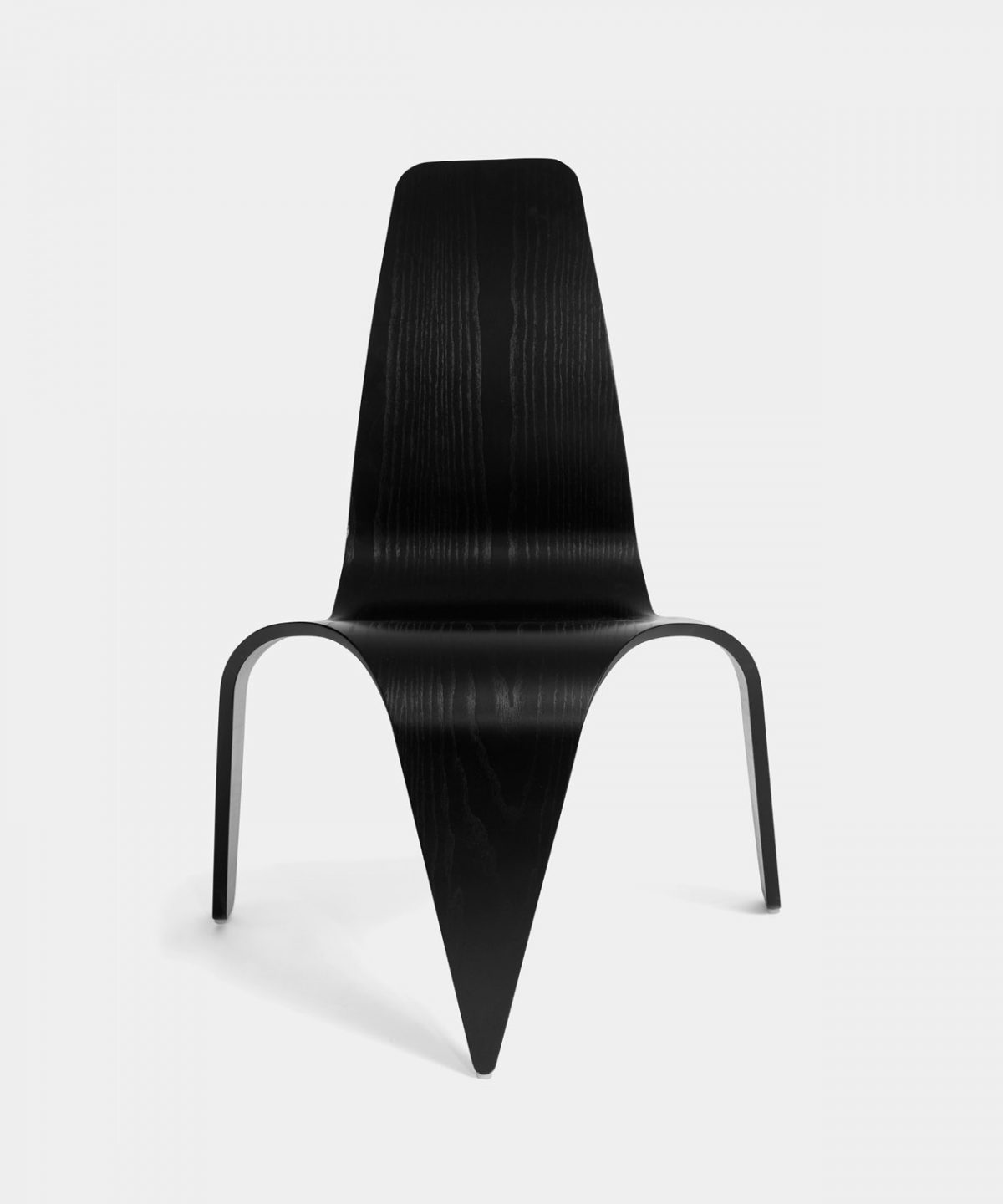 DareDutch / 2005
44 Easy Chair
A 1950s spirit made possible by modern manufacturing.44 Easy Chair draws inspiration from the great lounge furniture of the post-war period, but its construction depends on advanced moulding technology.Both the seat and back are formed in two directions, giving the chair its fluid, sculptural quality.It is a piece in which industrial precision is used to create visual softness.Available in a range of materials and finishes, from veneer and aluminium to stainless steel, lacquer and upholstery, 44 can change character without losing its essential silhouette.The chair is also represented in the collection of Möbeldesignmuseum in Sweden, placing it within a broader history of Swedish furniture design.44 is less about repeating the past than using it as a point of departure.Open in portfolio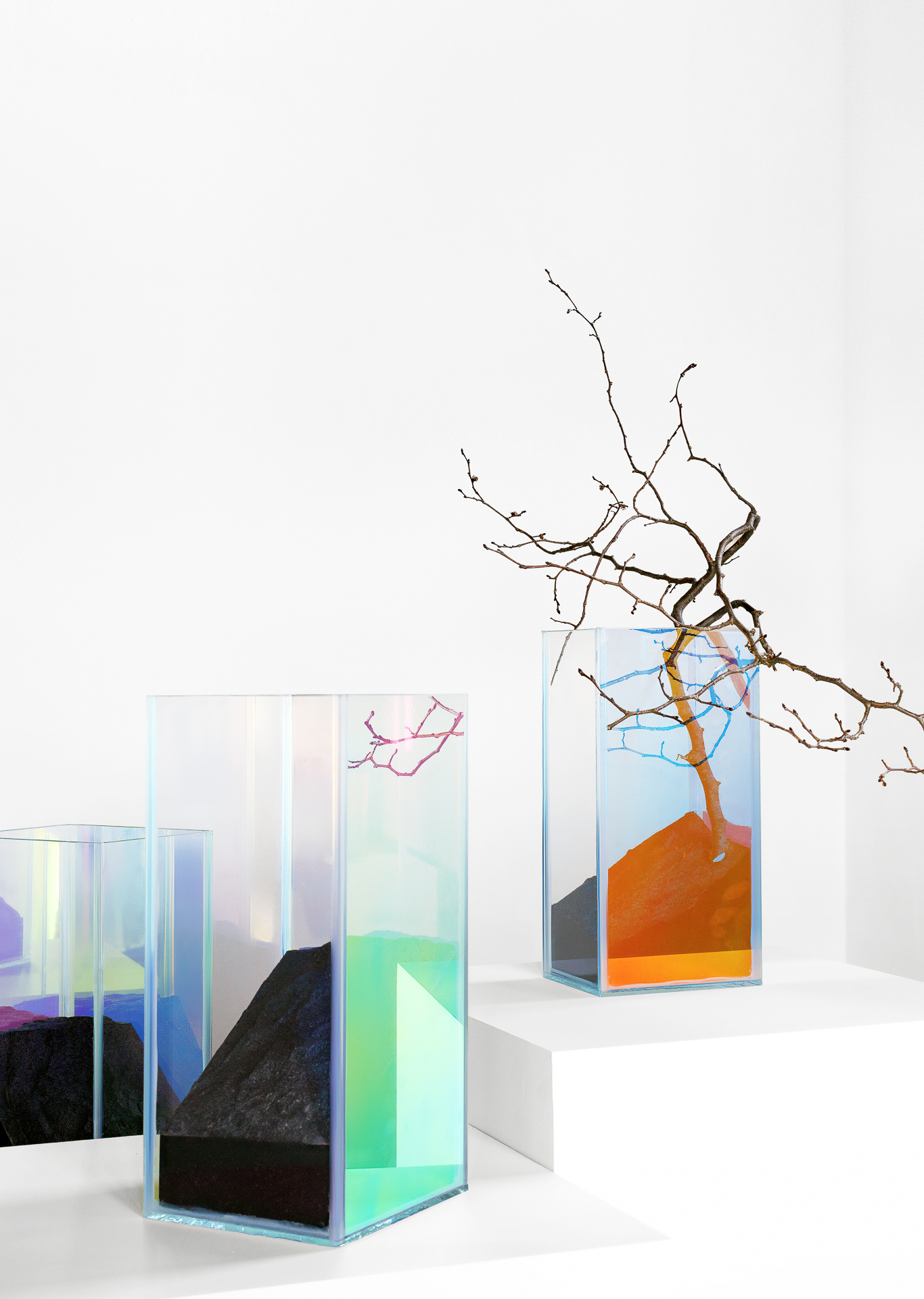 Lervik Design / 2026
Saxum Vase
Weight held inside transparency.In Saxum, two materials meet that appear to want entirely different things.Black diabase is dense, dark and heavy. The glass surrounding it is transparent, coloured and dependent on light.The stone appears suspended within the monochromatic glass, as though frozen inside a moment. As the viewer moves, the depth and colour of the glass shift, while the stone alternately emerges and recedes.The contrast makes the object difficult to read in a single glance.Is the glass a vessel for the stone, or is the stone what gives the glass its meaning?Saxum is as much about mass and gravity as it is about colour, light and optical uncertainty.Open in portfolio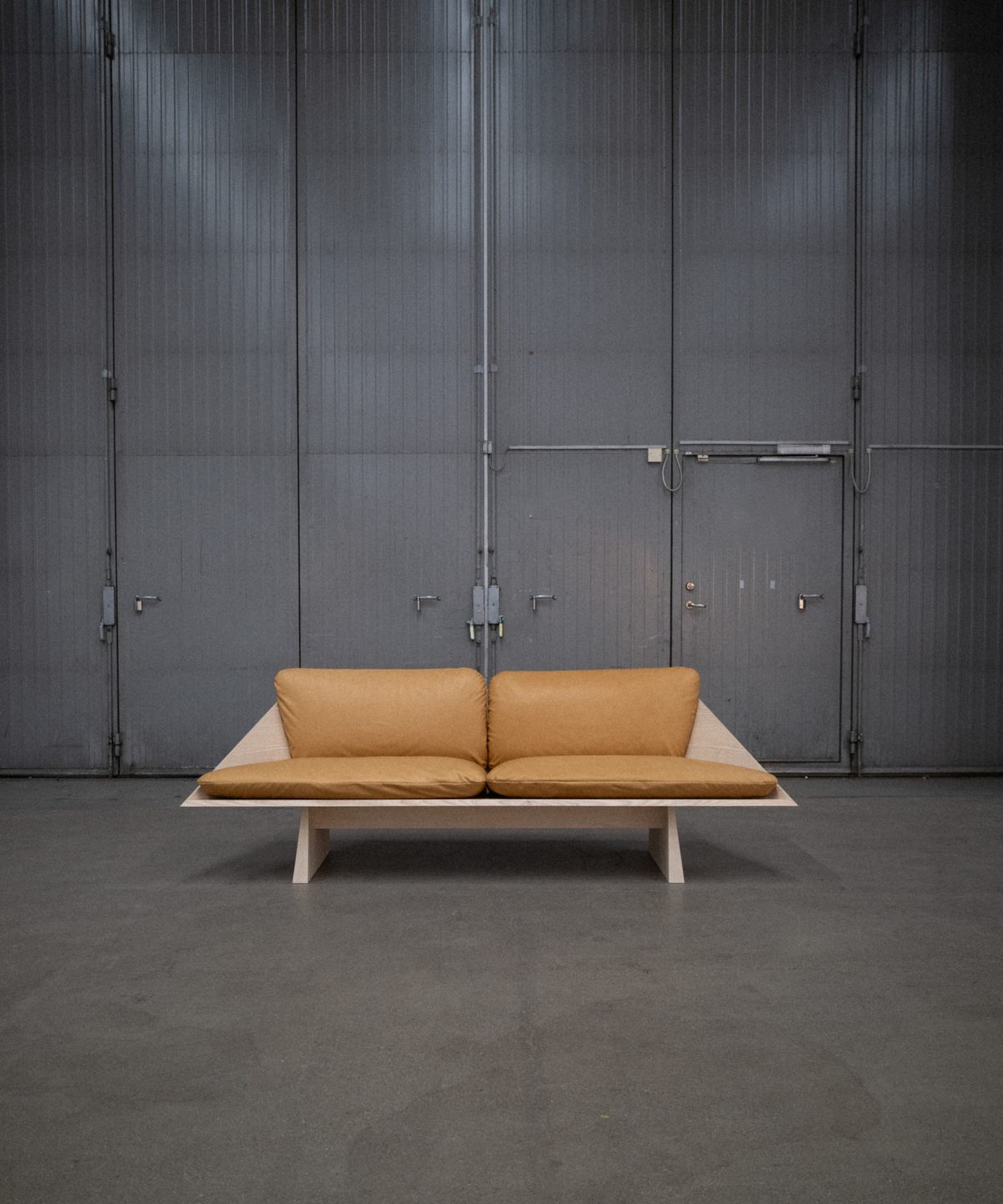 Lervik Design / Vanders studio+manufactur / 2025
Milano Centrale
Swedish design meets German craftsmanship.Milano Centrale grew out of a long-standing creative collaboration between Alexander Lervik and Andreas Völkl of Vanders studio+manufactur.The collection brings together two traditions: a Scandinavian instinct for reduction and a German commitment to construction, precision and craft.The sofas are made in Vanders’ workshop in Regensburg, where woodworking, joinery, material selection and finishing are handled with the kind of care usually associated with furniture intended to last for generations.That long-term perspective is central to Milano Centrale.This is not a sofa conceived for a season. It is designed to age, to be lived with and eventually to be passed on.A contemporary piece with an unusually long horizon.Open in portfolio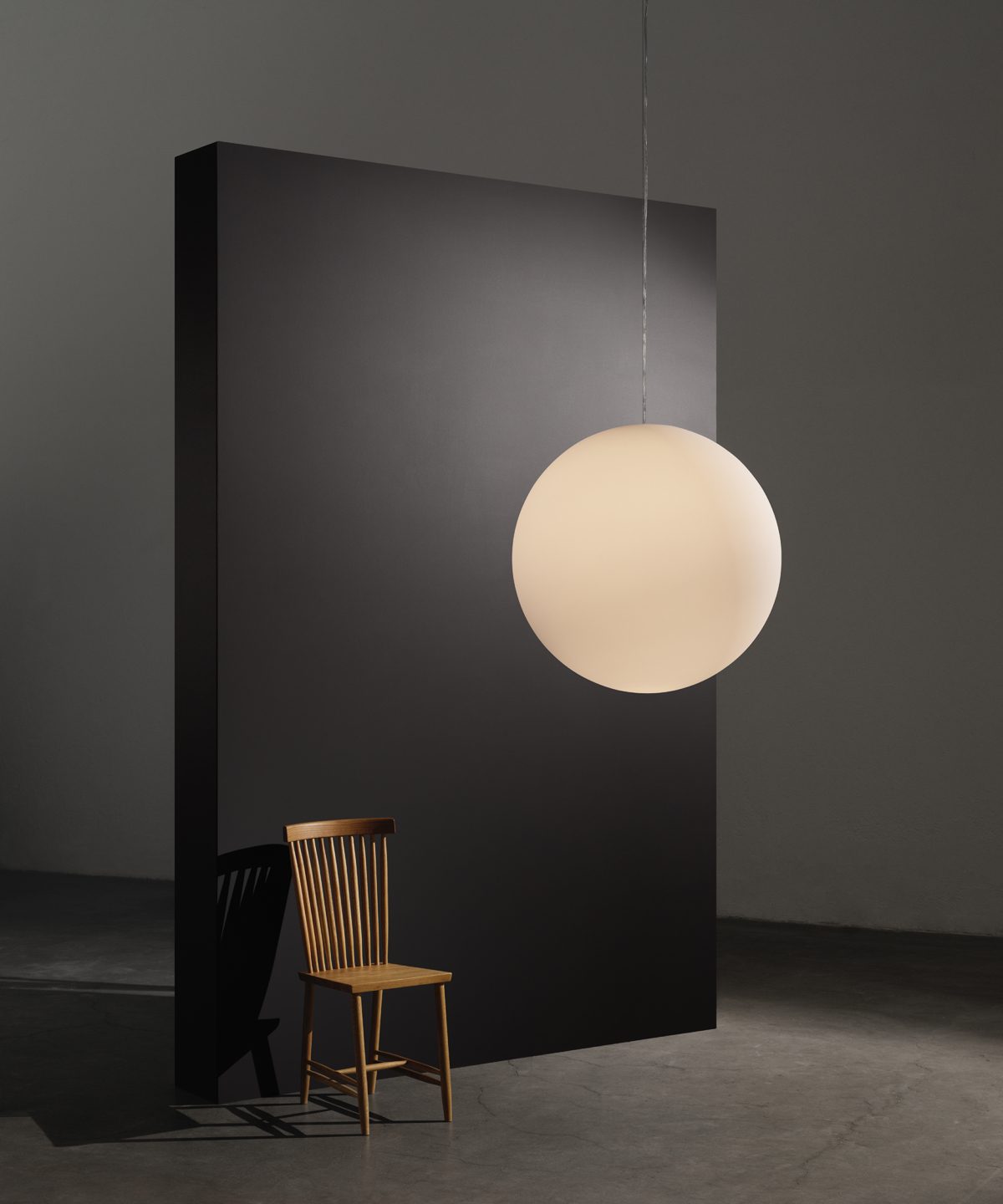 Design House Stockholm / 2020
Luna Lamp
The simplest form is often the hardest to achieve.The glass globe is one of the most familiar archetypes in lighting.For Lervik, the problem was everything that usually came with it: plastic caps, visible fittings, cable connections and technical components that interrupted the purity of the sphere.With Luna, the challenge was therefore not to add more, but to remove as much as possible.The result is a pendant in which the globe itself becomes the protagonist, while the technical construction recedes visually.Luna demonstrates a side of minimalism that is easy to overlook: simplicity is rarely the absence of work.Often, it takes more engineering to make the engineering disappear.Open in portfolio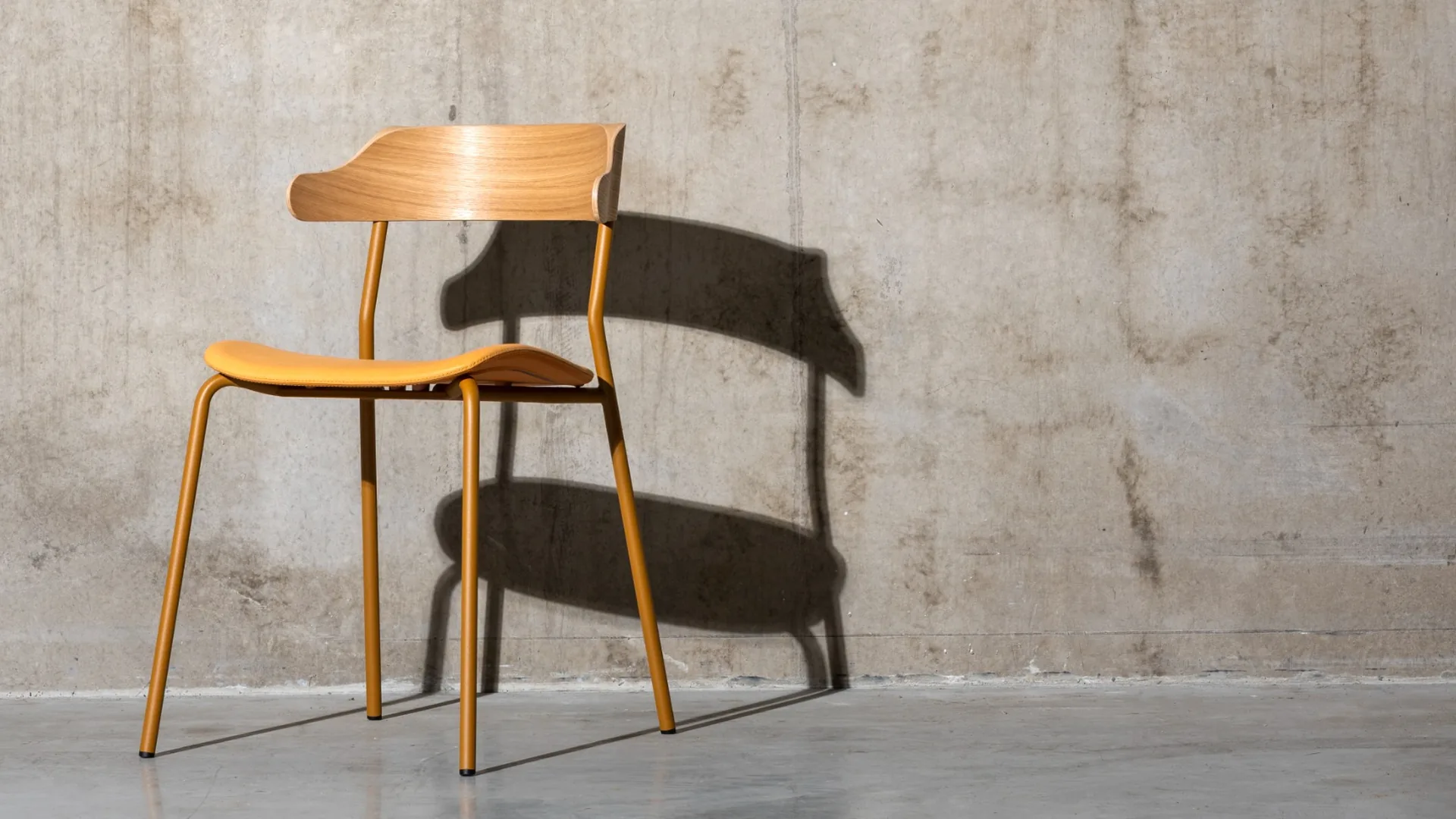 Johanson Design / 2021
Alice
A café chair that does not need to prove it is a design chair.Formerly SagaAlice begins with one of the most enduring furniture types in history: the café chair.That choice was deliberate. A good café chair must function in many environments, for many people, and do so without demanding attention.Lervik built on that logic.Alice is stackable, and the backrest is designed so the chair can be hung from a table or desk during cleaning.These are modest details, but they are precisely where useful design often reveals itself.Alice does not attempt to reinvent sitting. Instead, it refines a typology that has already proved its value over generations.Open in portfolio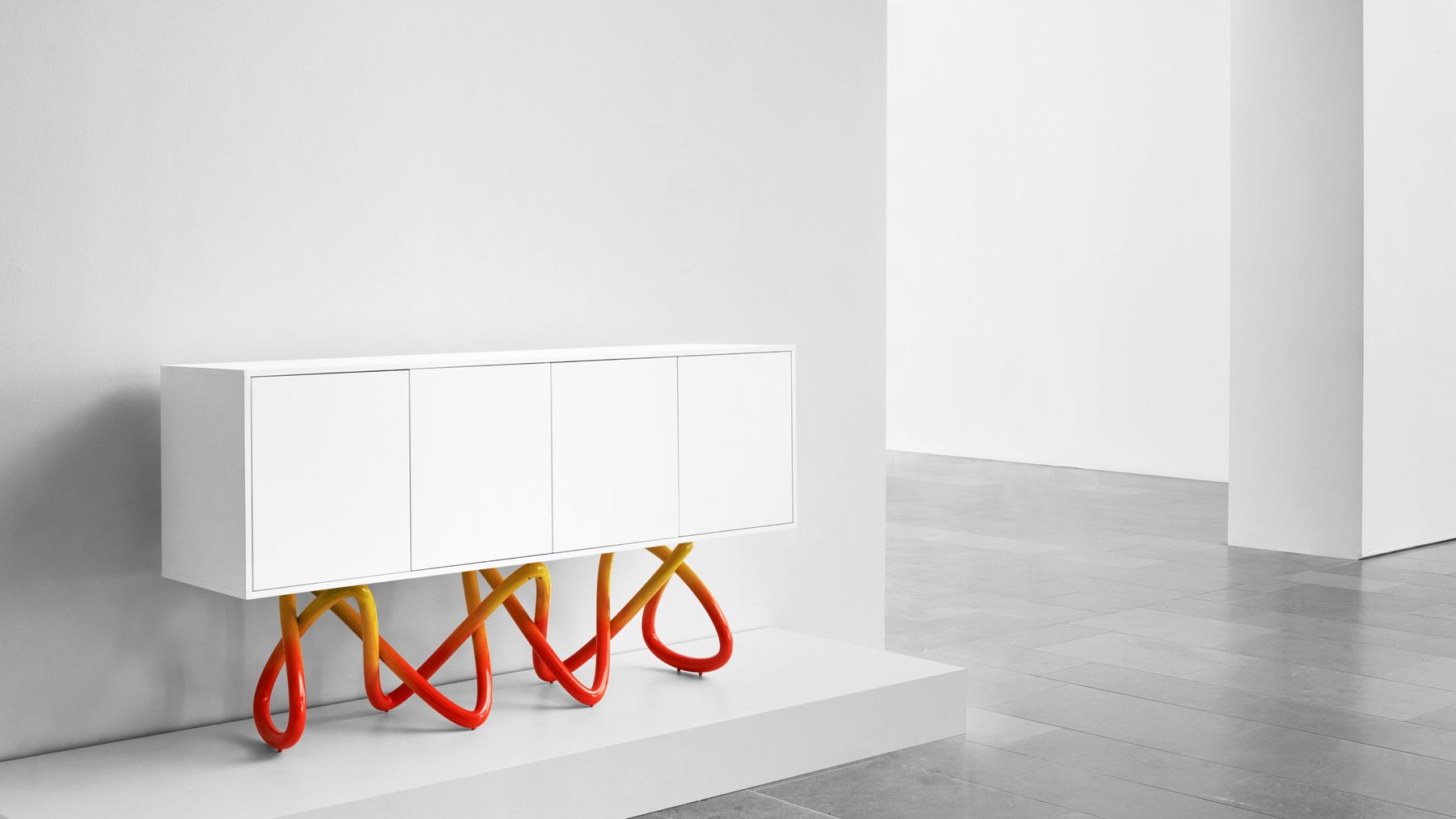 Lervik Design / 2019
Marcam Cabinet
Strict modernism above. Controlled chaos below.Marcam Cabinet is built around a collision between two very different design languages.The cabinet itself is uncompromisingly minimal: white, geometric and architectural. Beneath it, a colourful structure of heat-bent wood breaks free like a quick, improvised line drawing.The contrast recalls architecture in which a heavy modernist volume is placed above something unexpectedly light and expressive.The base has some of the temporary energy of graffiti, while the cabinet above carries the permanence and gravity of classical modernism.Interestingly, the piece emerged almost by accident, from two separate design ideas that had been influencing Lervik at the same time.In Marcam, those languages collide.And the collision is what makes the object complete.Open in portfolio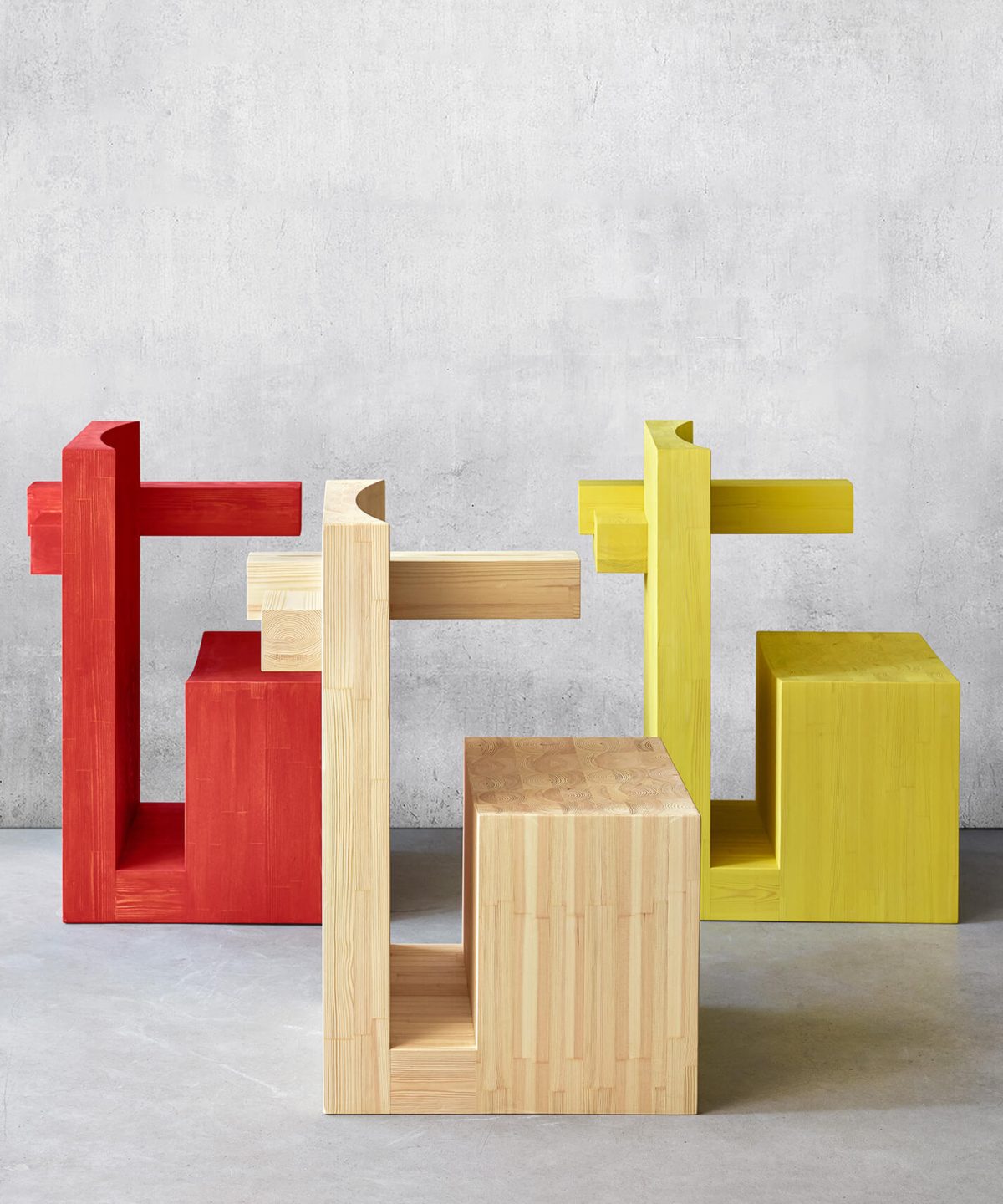 Drömtrappor / 2023
Hemvist
What was left over from the staircase became the beginning of a new piece of furniture.Hemvist grew out of Alexander Lervik’s work with Drömtrappor in Norsjö, a company with more than a century of experience in staircase manufacturing.During production, offcuts of timber are inevitably created. Rather than treating that material as waste, Lervik made it the starting point for a new design.Hemvist is made from residual wood from staircase production and draws inspiration from a craft tradition Lervik has long admired: the visible joints and timber connections found in Danish furniture from the 1950s.Wedges, tenons and joints are not hidden. They are deliberately emphasised and made part of the identity of the piece.Construction becomes ornament.Material that might otherwise disappear from the production process is given a new context and a new value.Hemvist is therefore about both resourcefulness and craftsmanship: using what already exists while allowing the way a piece is made to become part of what makes it beautiful.Open in portfolio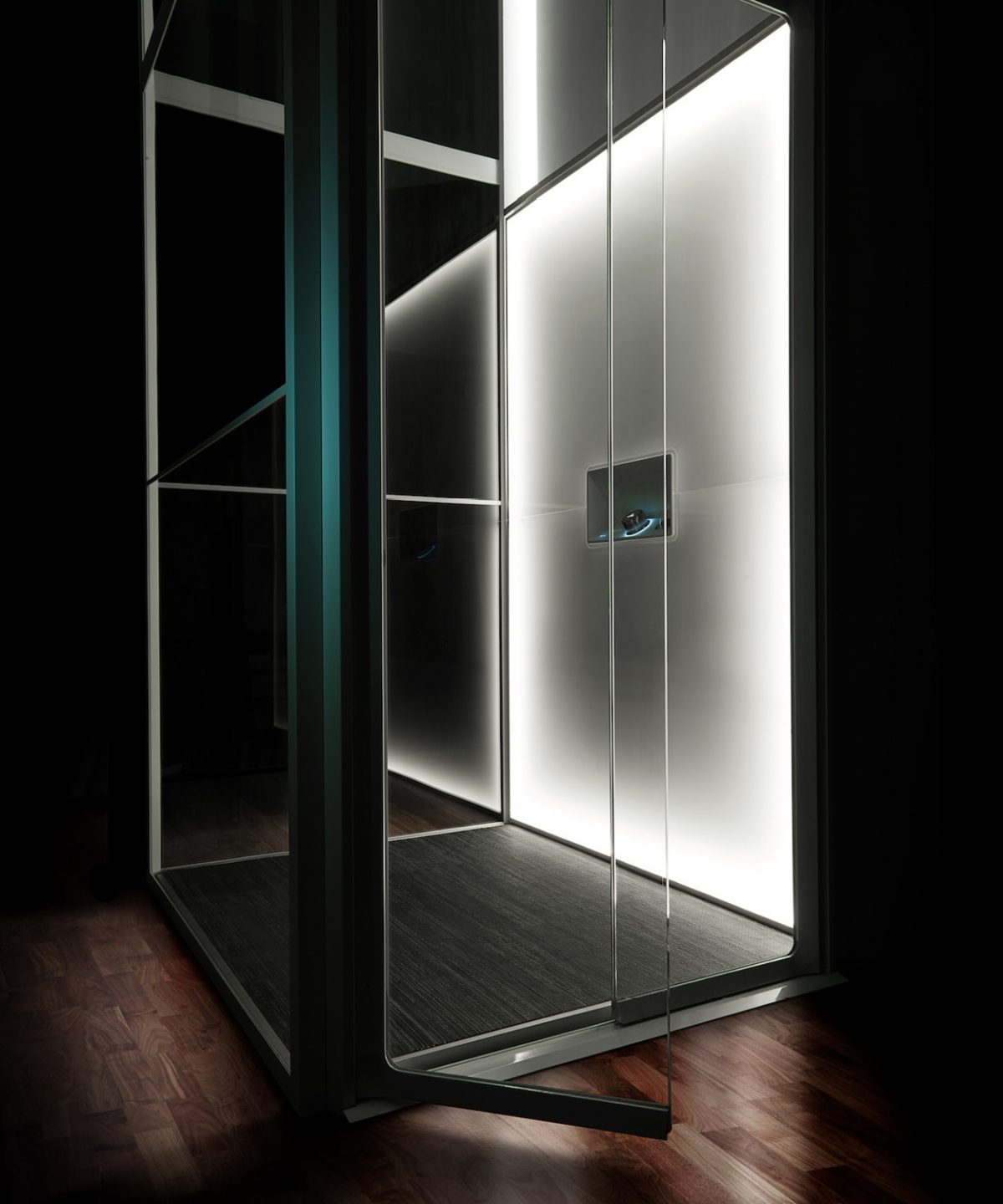 Aritco / 2016
Aritco HomeLift
The brief was to design a lift. The result was a new way of seeing the entire market.When Alexander Lervik began working with Aritco, the starting point was unconventional: a home lift should not be treated as technical equipment, but as a piece of furniture within the home.Over three years, the entire experience was reconsidered, from the shaft and platform to materials, lighting and controls.One of the most significant innovations was the replacement of the conventional control system with a single intuitive dial. The solution made the lift easier to use while also simplifying production.But the design work did not stop with the product.Lervik also encouraged Aritco to change the context in which the company presented itself: away from conventional lift trade fairs and towards design fairs.That shift proved crucial.The lift was no longer positioned purely as a technical necessity, but as part of architecture, interiors and contemporary design culture.The results were dramatic. Within four years, Aritco HomeLift went from zero units per year to an annual volume of approximately 1,000 lifts.The project demonstrates the full potential of design: to change not only the appearance of a product, but how it is manufactured, experienced, marketed and ultimately understood by an entire industry.Open in portfolio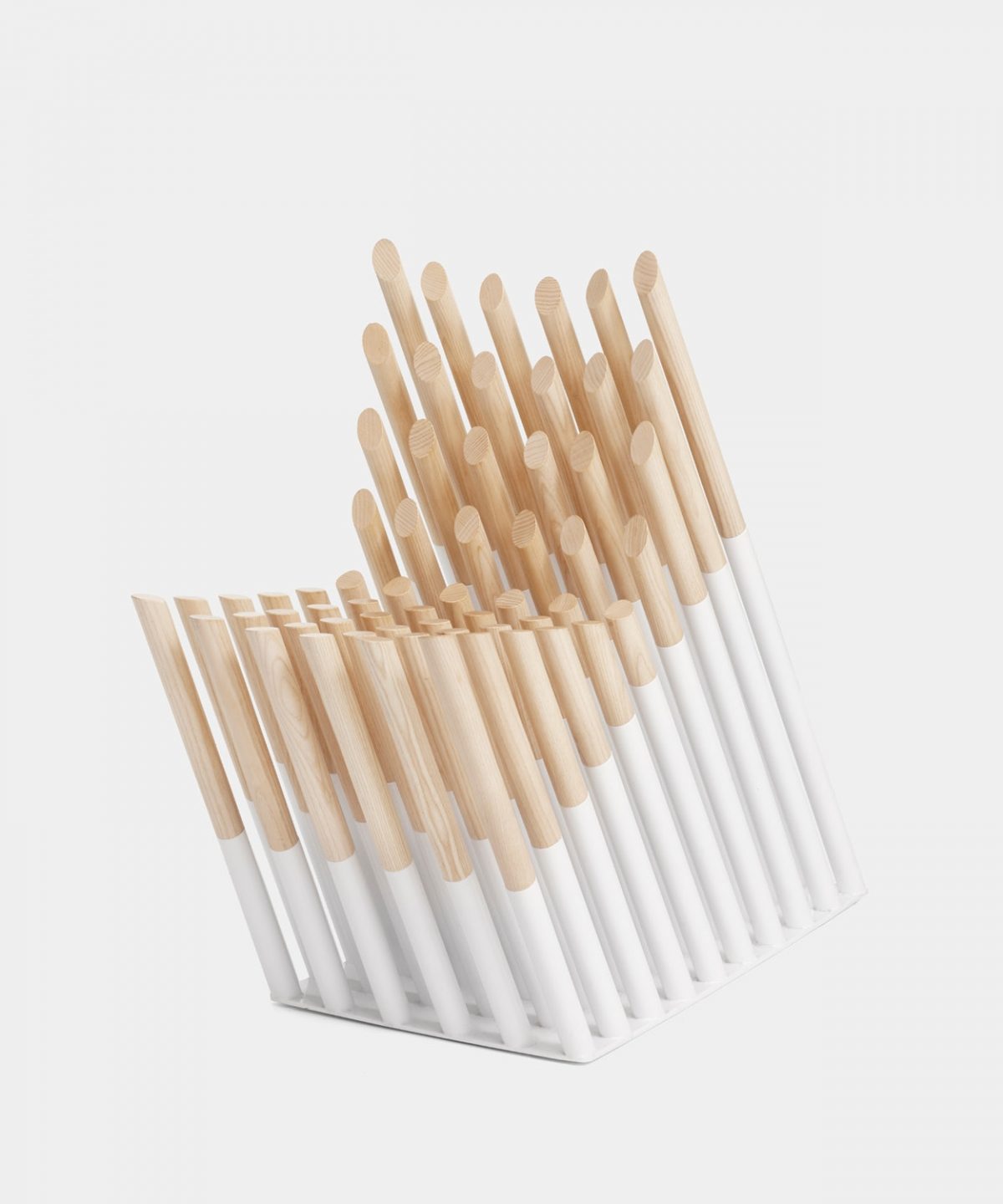 Gallery Pascale / 2013
Spike Chair
From a distance, it almost looks uncomfortable. That is part of the idea.Spike Chair is built around a visual contradiction.The seat and back are formed from a series of individual rods, recalling a bed of nails. Together, however, they follow the curves of the human body and create the surface on which the user actually sits.The aggressive becomes ergonomic.The base is constructed from welded tubular steel and a three-millimetre steel plate, while the upper section is made from turned ash components.The materials reinforce the same tension as the form: industrial metal beneath a more tactile wooden structure.Spike first makes you question whether you want to sit down.Then the act of sitting becomes part of the story.Open in portfolio Lerviks Gård Österlen / 2024